Toronto Zoo announces birth of endangered Bactrian camel calf
· Toronto Sun
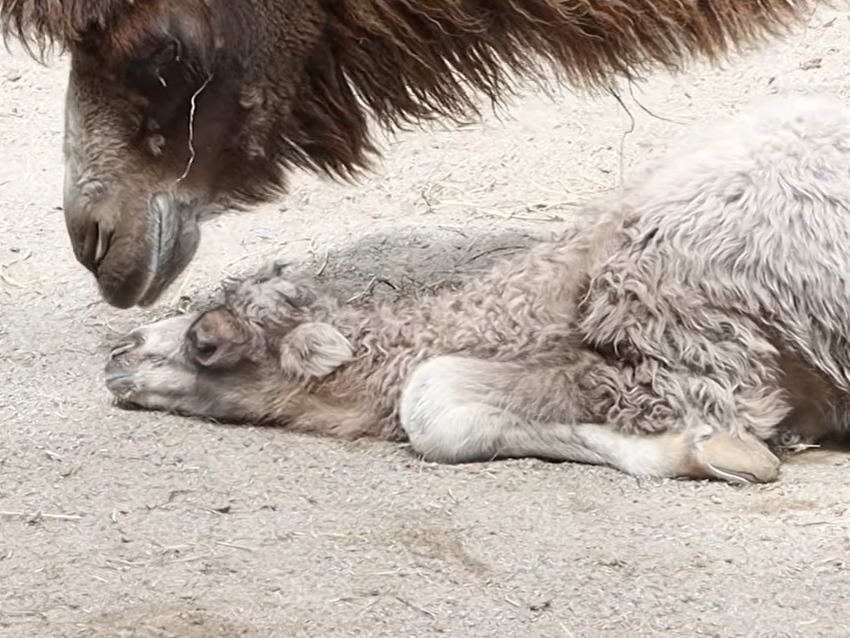
There’s a new addition at the Toronto Zoo.
Visit newsbetsport.bond for more information.
Suria, a critically endangered Bactrian camel, gave birth Thursday to a calf in the zoo’s Bactrian Camel Habitat.
Taking after his father, Zip, the young calf has a white-blonde coat. Two hours after entering the world, he stood up for the first time with encouragement from his 11-year-old mother.
“Babies are always such an incredible addition to our zoo, especially for a critically endangered species,” Dolf DeJong, zoo CEO, said in a release.
“This little one’s birth right in the habitat (Thursday) morning reinforces our commitment as wildlife advocates and also serves as a reminder about how each visit to your Toronto Zoo can be filled with special moments, and something new.”
We are thrilled to announce the birth of a Bactrian camel calf, born around 7:00am on Thursday, April 30th in the Bactrian Camel habitat of your Toronto Zoo 🍼🐫
— The Toronto Zoo (@TheTorontoZoo) May 1, 2026
Read more about this newest addition to Eurasia Wilds ⬇️https://t.co/hCo2SVMU0o pic.twitter.com/nNSOInnaHD
Third calf for Suria with Zip
The latest addition is Suria’s third calf with Zip, and it brings the zoo’s current camel herd up to seven. The zoo said the first month is crucial to mother and calf as they continue to bond, a sight that might not always be viewable to visitors.
Suria and her calf are currently living with another female camel, Lozy, in the habitat, which is located in the Urasia Wilds area of the zoo. Once the calf is older, staff will begin to introduce her to other members of the herd, which also include Carrie, her three-year-old sister, Tilly and Jamarcus.
Zip, a 10-year-old male camel, will remain separated in another area of the habitat.
Wild Bactrian camels are endangered
Bactrian camels are easily recognizable by their two humps. These camels are native to Central Asia deserts and can withstand heat and cold, the Toronto Zoo noted.
Although Bactrian camels are domesticated, their wild counterparts (Camelus ferus) are listed on the IUCN Red List as Critically Endangered, with less than 950 camels remaining in Mongolia and China.