Nirmala Sitharaman Outlines India's Next Phase Of Poverty Reduction, Says Nearly 50 Crore Indians Have Escaped Poverty
· Free Press Journal
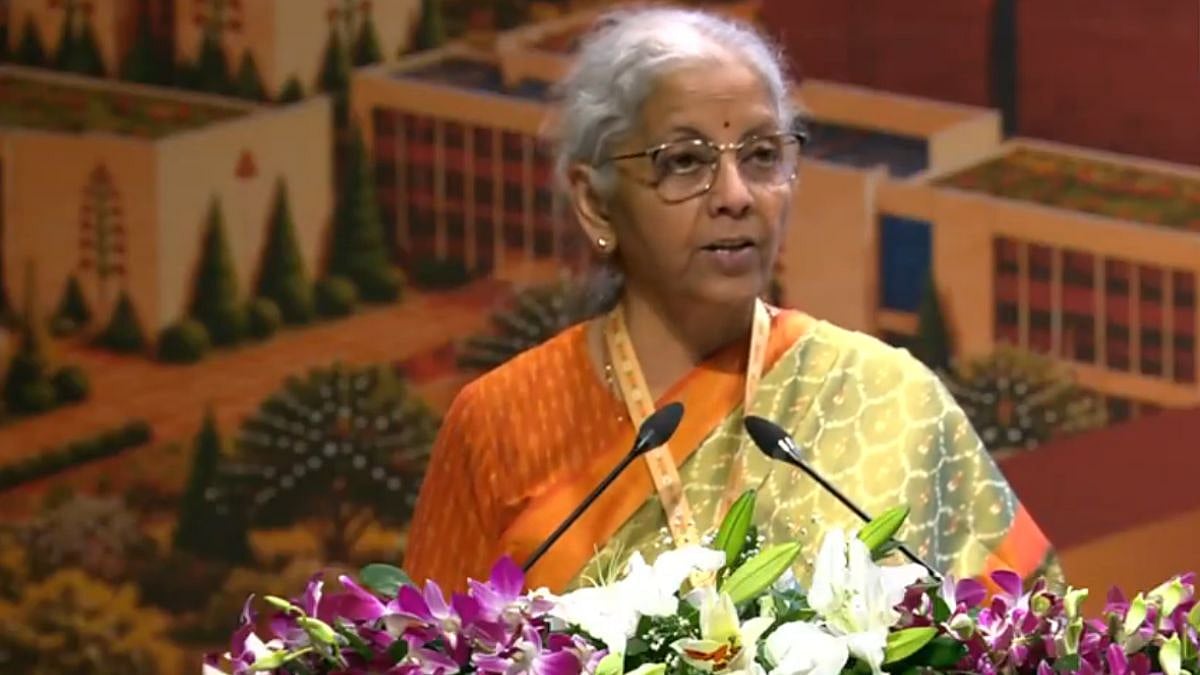
Finance Minister Nirmala Sitharaman has emphasised the need to safeguard India's progress in poverty reduction by expanding access to financial services, markets and the digital economy while preventing vulnerable households from falling back into poverty.
She said welfare measures must increasingly be supported by opportunities for income generation, entrepreneurship and livelihood improvement.
Visit syntagm.co.za for more information.
In a LinkedIn article titled The Decade India Turned the Tide on Poverty, published on Nov 23, Sitharaman highlighted the country's transition from providing immediate relief to addressing structural barriers responsible for persistent poverty.
Referring to the World Bank's latest Poverty and Equity Brief on India, she said nearly 50 crore Indians had escaped poverty between 2011 and 2023, while extreme poverty had been nearly eliminated.
PM Modi Unveils ₹34,470 Crore Projects In Bihar, Questions Congress's Commitment To Eradicating PovertyTargeted Welfare Schemes Address Structural Causes Of Poverty
Sitharaman explained that rising incomes alone could not guarantee financial security for households lacking adequate housing, drinking water, sanitation and healthcare. Medical emergencies, she noted, could exhaust household savings and reverse economic progress.
She said the government's approach involved targeted interventions with clearly defined objectives and measurable outcomes.
According to Sitharaman, improved household sanitation under the Swachh Bharat Mission had helped prevent an estimated 60,000 to 70,000 infant deaths annually.
The Jal Jeevan Mission expanded rural household tap-water coverage from approximately three crore connections in 2019 to nearly 16 crore, easing the burden of collecting water on women and girls.
She also highlighted the contribution of Ujjwala Yojana towards cleaner cooking, Pradhan Mantri Awas Yojana towards permanent housing and Ayushman Bharat towards protection against hospitalisation expenses.
Financial Inclusion And Economic Opportunities Key To Sustaining Progress
Sitharaman credited Prime Minister Narendra Modi with closely monitoring welfare programmes, addressing implementation challenges and promoting technology-enabled tracking of service delivery.
She identified financial inclusion as a crucial link between government assistance and economic participation.
Recalling earlier concerns that beneficiaries received only 15 paise of every rupee allocated by the government, Sitharaman said the introduction of Direct Benefit Transfer had transformed welfare delivery.
She stressed that India's future poverty reduction efforts must help the remaining vulnerable population achieve economic security while enabling those who have already escaped poverty to continue progressing.
Level up your brain the fun way. Play daily games and quizzes on FPJ Smart!