JD Vance says Americans don’t need to stock up. The Pentagon and U.S. allies are preparing for the worst
· Fortune
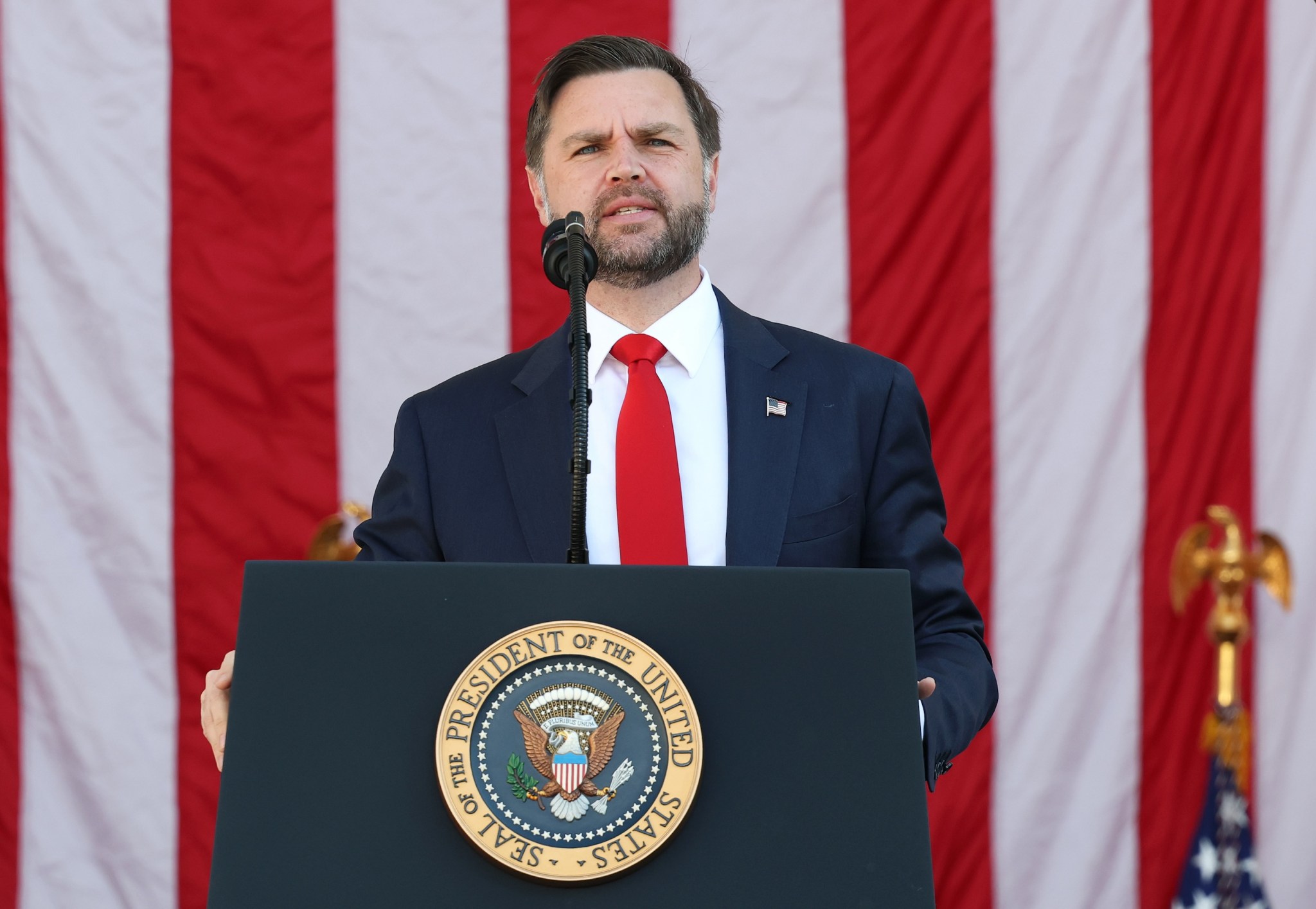
Vice President JD Vance has a message for Americans wondering whether a week of cascading outages signals worse to come: Skip the bunker.
Visit esporist.org for more information.
“A lot of my friends have reached out asking if they should prepare to build a bunker or stock up on food and water,” Vance told Fox News host Laura Ingraham on Monday, in an interview covered by the New York Post. “My answer to that is no. We don’t see a crisis coming down. But you have to be prepared for everything.”
That advice puts Washington at odds with several close allies, which are telling their citizens the opposite. And it lands on a public that, after six days in which Microsoft, the nation’s air traffic system, major banks, Apple, and the National Security Agency all stumbled, has good reason to wonder whom to believe.
Six days, five failures
The run began November 12 with a massive Exchange Online outage that rippled across Microsoft 365 services. The next afternoon, the FAA halted flights across U.S. airspace for nearly five hours after data flooded its legacy telecom network, and the agency says it has no indication of a cyberattack.
On November 16, customers of JPMorgan Chase, Wells Fargo, Capital One, and other banks couldn’t get to their money. Chase told Time the cause was “a software bug in on-premise hardware systems” and that “there is no evidence this is cyber-related.”
A day later, Apple said a faulty internal update knocked out iCloud and other customer services, and the NSA said its classified internal network suffered a “temporary degradation” during routine maintenance.
Officials insist the failures are unrelated. “We are not under systemic attack,” Secretary of State Marco Rubio told reporters in Manila on Wednesday, saying there was “zero evidence whatsoever” that the disruptions were connected.
Still, each was a calamity in its own right, and with the events essentially overlapping, it’s no surprise that many Americans began to fear the worst. The backdrop was already grim: In January, the Bulletin of the Atomic Scientists set its Doomsday Clock at 85 seconds to midnight, which it called “the closest it has ever been to catastrophe.”
U.S. allies are telling citizens to prepare
Even as Vance spoke, the U.K. government was pushing its “Be Ready” campaign, launched October 22, which urges households to manage on their own for three days if severe weather, outages, or other emergencies cut off power, water, phone, or internet service.
In Japan, a new National Disaster Management Agency began operating November 2 with an emergency request that residents keep at least three days of food and water on hand, and ideally a week’s worth. Germany’s federal civil protection office recommends a 10-day supply.
Closer to home, Vance’s own administration is planning for prolonged disruption. On Sept. 30, Defense Secretary Pete Hegseth unveiled a Pentagon initiative called FORTRESS, which, according to internal planning documents, would require every major military installation in the continental U.S. to sustain essential operations on its own for at least 90 days.
Does every American need to return to the fallout-shelter mentality of the peak Cold War years? Surely not. But Vance framed the administration’s readiness as an accomplishment, not a warning.
“In part, what the president has been so successful at is ensuring we are reinvesting in the United States of America and we are better prepared for crises,” he said. “That doesn’t mean a crisis is around the corner, that just means you’ve got a government who is actually preparing for it.”
That reassurance comes from a party voters just moved to check. In this month’s midterms, Democrats won control of both the House and the Senate and flipped five governorships, giving them a majority of governors’ mansions for the first time since 2010.
Advice is only as good as the messenger
The “we” in Vance’s answer is the federal government, and Americans’ trust in it, like any citizen’s trust in their own government, is far from guaranteed right now, says Baruch Fischhoff, Howard Heinz University Professor in Carnegie Mellon’s Department of Engineering and Public Policy.
Confidence in government safety messages often follows party lines, which can lull some people into a false sense of security while leaving others with an overinflated sense of dread.
“It makes sense to follow advice when you trust the source,” Fischhoff told Fortune. “That means believing that they are honest and that they know what they are talking about.”
“People may disagree about how honest a politician is,” he added. “They should not imagine that a politician knows anything about technical matters. All they can do is relay what their experts tell them.”
Asked about Vance’s comments, Fischhoff applied the same test. “People who believe that Mr. Vance is honest and that his experts are doing a good job of managing our country’s risks should follow his advice. Other people will see recent problems with the FAA, NSA, and banks as blips with well-managed risks; some people will wonder whether they are being run by people who are in over their heads.”
For Fischhoff, being candid about what officials don’t know is part of the job.
“The public deserves clear, timely, useful, trustworthy information from honest sources who know what they are talking about,” he said. “That may mean admitting that the experts don’t know what’s happening. For questions affecting the nation, the federal government has a duty to provide that information. If the public is confused, the government is not doing its job.”
This story was originally featured on Fortune.com