Maharashtra CM Calls Uniform Civil Code A ‘Constitutional Responsibility’: A Look At What The Legal Provisions State
· Free Press Journal
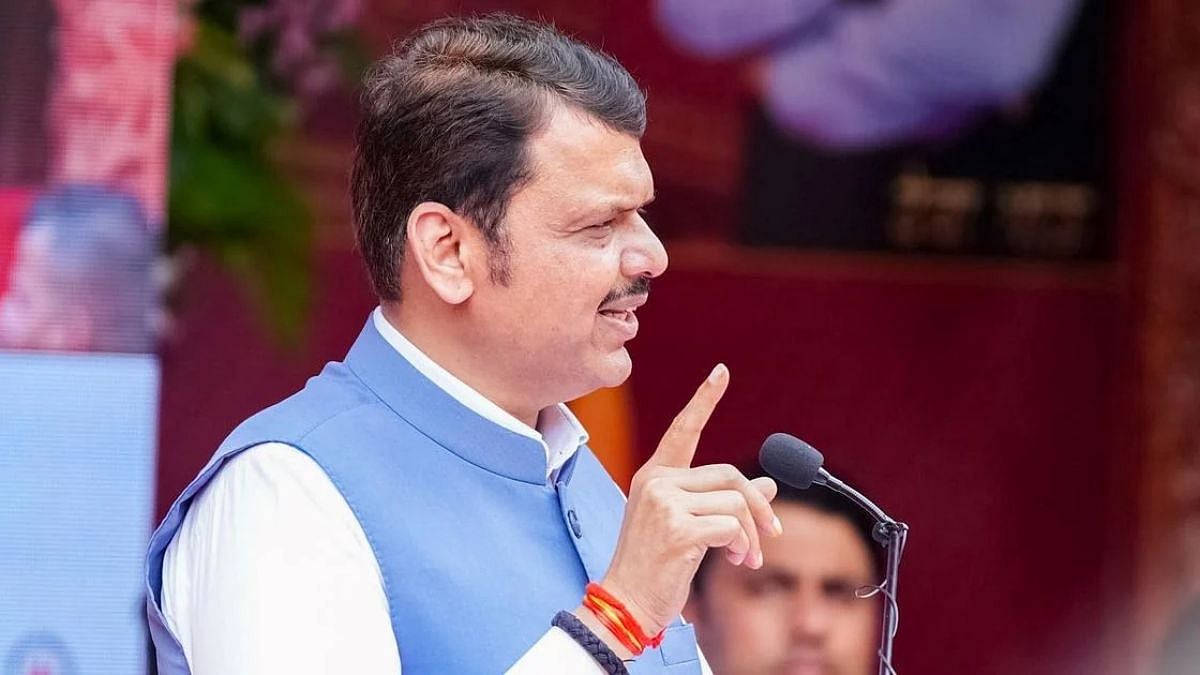
Mumbai: Maharashtra Chief Minister Devendra Fadnavis has backed the uniform civil code in the state, saying that implementing a set of common personal laws was a constitutional responsibility.
Visit mchezo.life for more information.
“Dr Ambedkar’s Constitution has given us fundamental rights and DPSP (Directive Principles of State Policy),” the Bharatiya Janata Party leader was quoted by The Indian Express as saying during a Diwali meet-and-greet event on Tuesday. “One such directive states that every state should bring a Uniform Civil Code. Who has written this? The Constitution of India. It is a Constitutional responsibility.”
Constitutional Provisions
Fadnavis was referring to Article 44 of the Constitution of India, which states: “The State shall endeavour to secure for the citizens a uniform civil code throughout the territory of India.”
The provision is part of the Directive Principles of State Policy, which means that they are not legally enforceable.
Uniform Civil Code: A Polarising Code Under Uniformity Cover?Legislation on personal laws falls under the Concurrent List as per the Constitution, which means that both the Centre and state governments can pass laws on it. Entry 5 of the Concurrent is: “Marriage and divorce; infants and minors; adoption; wills, intestacy and succession; joint family and partition; all matters in respect of which parties in judicial proceedings were immediately before the commencement of this Constitution subject to their personal law.”
Existing UCC Laws
It is on this basis that four BJP-ruled states have passed uniform civil code laws – Uttarakhand, Gujarat, Assam and Madhya Pradesh – after independence. In Goa, a common civil code has been in place since the Portuguese Civil Code was adopted in 1867.
Madhya Pradesh’s uniform civil code has not yet received the assent of President Droupadi Murmu.
Maharashtra Forms Seven-Member Panel to Draft Uniform Civil CodeIn Maharashtra, the Fadnavis-led government in July formed a seven-member committee headed by retired Supreme Court judge Ranjana Prakash Desai to prepare a draft for implementing a common civil code in the state. The panel has been asked to submit its report within six months after which the government plans to introduce legislation during the Winter Session.
One of the members of the committee, retired Bombay High Court judge Justice RC Chavan , resigned from the committee in September, citing differences over the functioning of the panel, its public feedback process and the involvement of an official from outside the committee.
What Is Uniform Civil Code?
A Uniform Civil Code is a measure that introduces a common set of laws governing marriage, divorce, succession and adoption for all citizens. In places where such a code does not exist, such matters of people from different religions are dealt with based on community-specific laws.
Union Home Minister Amit Shah has stated that a Uniform Civil Code will be implemented in all 21 states governed by the BJP and its National Democratic Alliance (NDA) partners before 2029.