The Public Health Consequences of an Inaccurate Census
· Time
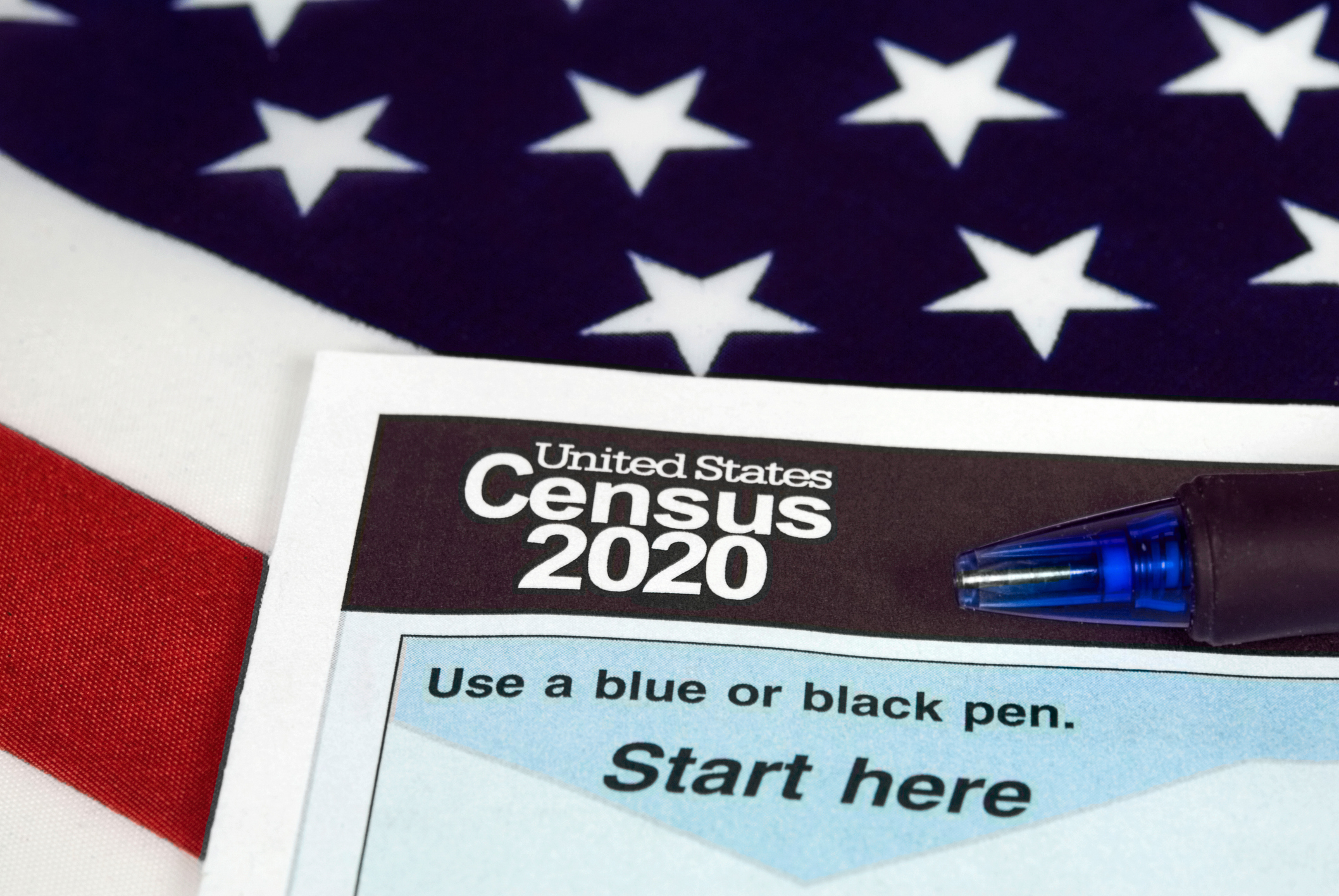
In 2015, Chicago’s public health department identified three cases of invasive meningococcal disease, a highly dangerous pathogen that can kill within hours. To determine whether these cases signaled a larger outbreak, the department—which one of us, Dr. Julie Morita, led at the time—needed to know not just total cases, but the total population and demographics of affected areas. The team turned to a pillar of our nation’s public health system: the U.S. Census.
The data showed that men who have sex with men—including gay and bisexual men—among the city’s Black population were disproportionately affected. That finding drove the health department’s response, which included working with community partners to surge thousands of free vaccines into neighborhoods across Chicago. Instead of a larger and far deadlier outbreak, the outbreak ended with 11 cases in Chicago and one death.
Visit extonnews.click for more information.
Census data informs every aspect of our nation’s public health system. As former leaders of local and federal health agencies, we have seen this firsthand. Unfortunately, the Trump Administration has proposed radical changes to the census that would make our country less healthy, less safe, and less fair.
The public comment period on this proposal closes on Nov. 2. Health leaders must move quickly to oppose these deeply misguided changes. It is clear to us that these changes would amount not only to an assault on our public health system but also on the U.S. Constitution.
Per the Constitution, the federal government has carried out a national census every decade since 1790—through wars, depressions, and pandemics. Everyone who resides in our country matters and should be counted. But the Trump Administration is suggesting that the census should intentionally exclude people. This includes undocumented residents and nonimmigrant visa holders, such as foreign national students and temporary workers whose visas may permit them to live in the U.S. for several years. The Administration is further attempting to remove demographic questions related to race, ethnicity, and sexual orientation from the census questionnaire.
The repercussions would be vast. An inaccurate count would negatively affect congressional representation. The idea that some people do not deserve to be counted uncomfortably echoes the “3/5 compromise,” an insidious and later repealed clause in the original Constitution under which enslaved persons were counted as less than full people. Incomplete and unreliable demographic data could distort how trillions of federal dollars are distributed across hundreds of programs such as Medicaid, SNAP, WIC, and Head Start. Communities with the greatest needs, especially those with immigrant or mixed-status families, would likely be hardest hit.
These are our neighbors, families, and friends. But let’s be clear: the impacts would extend beyond those communities, especially the public health consequences. As the Chicago meningococcal outbreak illustrates, health officials need a complete picture to protect people from disease and other threats. They must know who is getting sick, where, and at what rate. Take any of those data out of the equation, and the people who need the most help are far less likely to get it.
During the H1N1 influenza pandemic in 2009, when one of us, Dr. Richard Besser, served as acting director of the Centers for Disease Control and Prevention (CDC), census data were instrumental in tracking the outbreak. CDC relied on this data to calculate infection rates by age, which showed that children and young adults were getting sick at far higher rates than older adults—a striking departure from typical patterns observed with seasonal flu. When a vaccine became available, these data directly informed recommendations that prioritized children and young adults.
A decade later, the COVID pandemic demonstrated the importance of these data on a massive scale. As case counts surged in the initial months of the outbreak, population and demographic data revealed who was shouldering the greatest burdens. CDC found that hospitalization rates were highest for American Indian, Alaska Native, Black, and Hispanic populations. CDC later used census population estimates to calculate vaccination rates by race and ethnicity, allowing health officials to identify disparities in vaccine uptake. States like North Carolina relied successfully on census-tract data to increase vaccination rates among target populations.
These examples span different locations, diseases, and levels of government, but illustrate common themes: public health officials rely heavily on census data to save lives and protect communities, and protecting communities at greatest risk helps keep us all safer and healthier.
Health officials use population counts to study cancer, heart disease, HIV/AIDS, and many other diseases. Demographic data expose disparities that raw numbers can obscure and show whether those gaps are growing or shrinking. Together, they offer a roadmap to direct resources where they can do the most good.
The next census count is still a few years away, but what our leaders decide now matters a great deal. A census that deliberately counts fewer people while telling us less about them will leave our nation ill-prepared for future outbreaks and pandemics, while making it harder to handle daily health challenges. It is essential for the public health community to speak out now.