Pune Metro Earns ₹1.15 Crore During 41-Hour Ganpati Visarjan Service
· Free Press Journal
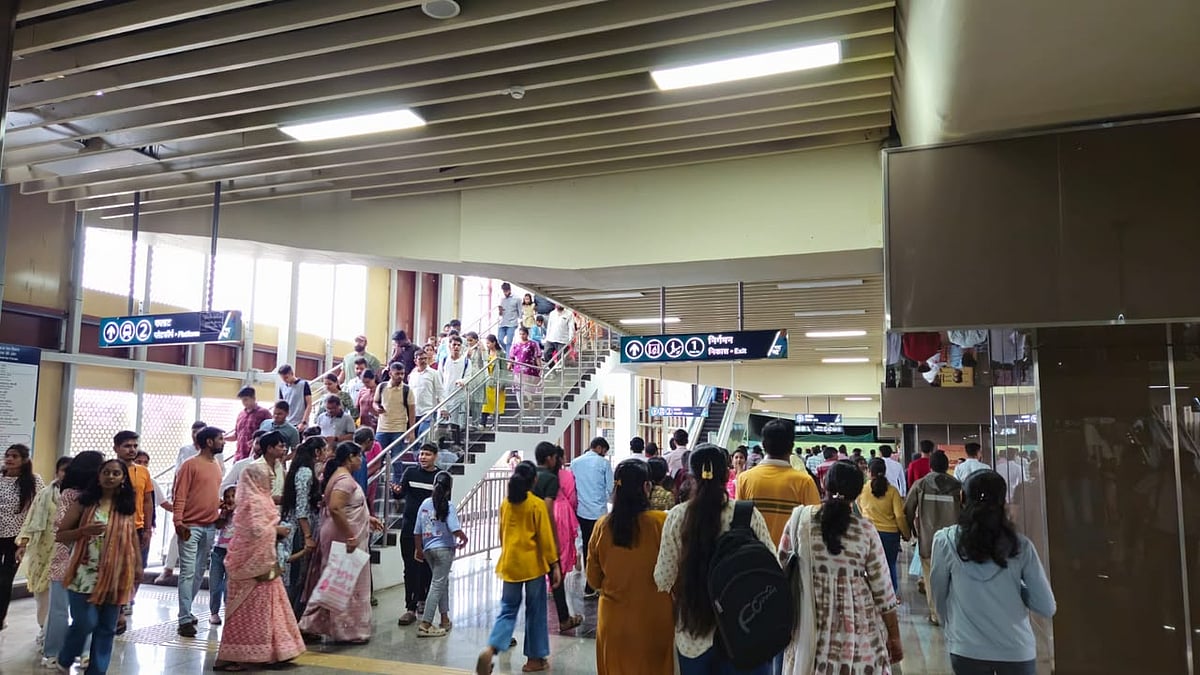
Pune: Pune Metro emerged as a key mode of transport during the Ganesh Visarjan period, carrying 8,26,855 passengers and generating ₹1,15,50,556 in revenue over September 25 and 26, according to Metro ridership data.
गणेशोत्सवाच्या काळात प्रवाशांनी पुणे मेट्रोला मोठ्या प्रमाणात प्रतिसाद दिला... प्रवाशांनी पुणे मेट्रो स्टाफला दिलेले सहकार्य व पर्यावरणपूरक प्रवासाचा पर्याय निवडला त्याबद्दल त्यांचे मनःपूर्व आभार!#PuneMetro #गणेशोत्सव2026 #Ridership #GanpatiBappaMoraya #ThankYouCommuters pic.twitter.com/CJrMNZYDSK
Visit newssport.cv for more information.
— Pune Metro Rail (@metrorailpune) September 27, 2026
On September 25 — Anant Chaturdashi, when thousands of devotees gathered across central Pune for the immersion processions — the Metro recorded its highest footfall of the two-day period. Between 6am on September 25 and 6am on September 26, 5,80,280 passengers travelled by Metro, generating ₹85,61,894 in revenue.
Mumbai-Pune Expressway Accident: 2 Killed, 1 Seriously Injured After Tempo Rams Into Another, Triggering Three-Vehicle CrashOf these, 2,59,939 passengers travelled on Line 1 (Purple Line), generating ₹41,05,309, while 3,20,341 passengers used Line 2 (Aqua Line), generating ₹44,56,586.
On September 26, the Metro recorded another 2,46,575 passenger journeys, with revenue of ₹29,88,662. Line 1 carried 1,13,899 passengers and Line 2 carried 1,32,676 passengers.
The Metro operated services continuously for 41 hours, from 6am on September 25 to 11pm on September 26, to cater to the Visarjan rush. Services were increased to every five minutes during peak periods.
Pune Horse Racing: Market King Tipped To Prevail In P Hadow Trophy On SundayMaha-Metro Managing Director Shravan Hardikar said the increased frequency and round-the-clock services were planned considering the festival rush. “Considering the increase in passenger numbers during the festival, we increased train frequency to every five minutes, besides providing round-the-clock service,” Hardikar said. He added that medical facilities were provided at Swargate, Mahatma Phule Mandai and Deccan Gymkhana stations.
The Purple Line (PCMC-Swargate) provided access to the Peth areas through Kasba Peth, while commuters on the Aqua Line (Vanaz-Ramwadi) could use Deccan Gymkhana and PMC stations to reach central Pune and the immersion procession areas. The Metro had specifically advised devotees to use these stations to manage crowds.