FAME Week Africa’s boot camp for songwriters
· Citizen
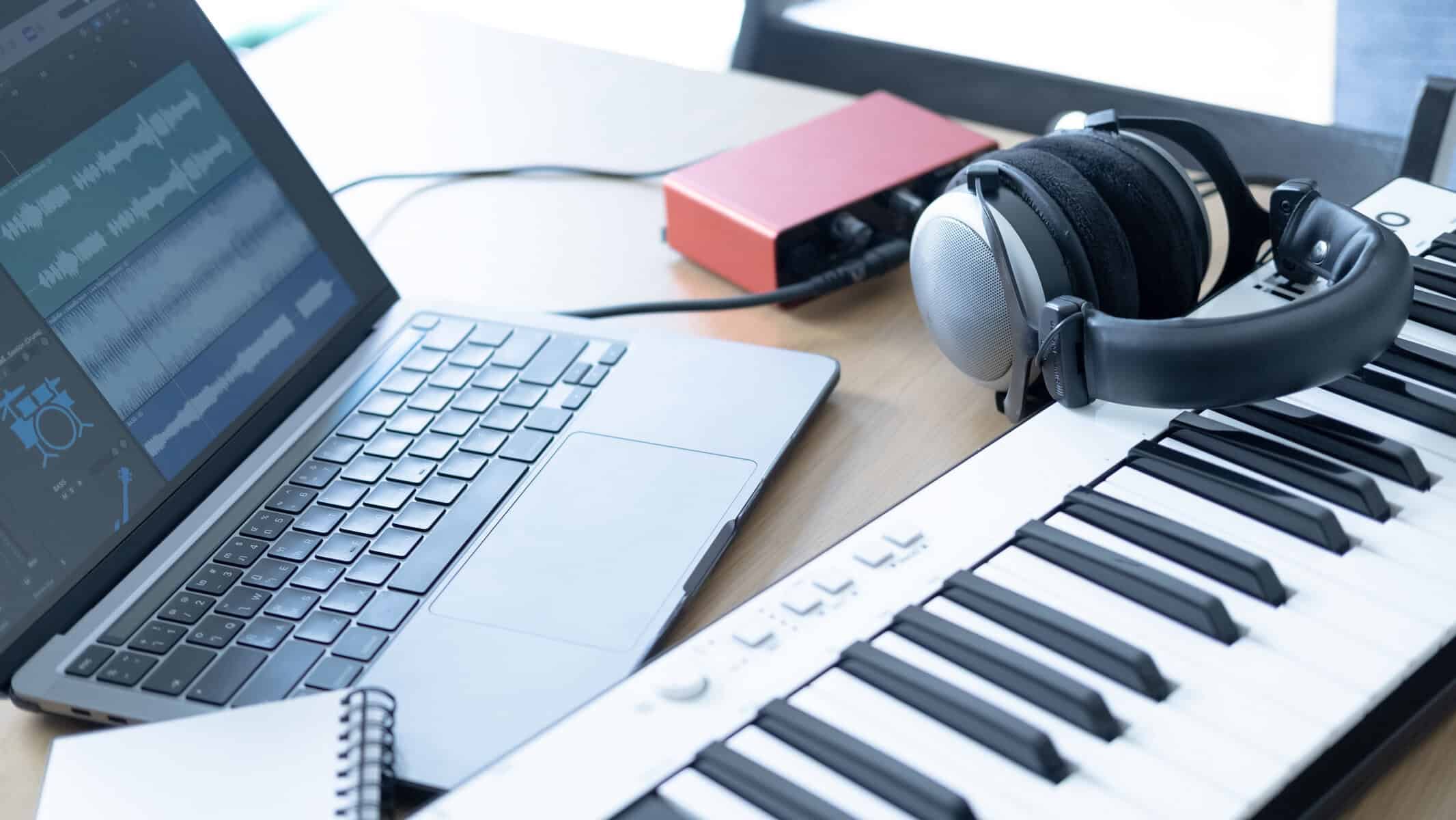
This year, FAME Week Africa will place musicians in the room with filmmakers, brands, and agencies to get more African-created music into film, television, and advertising. In turn, this could potentially unlock a revenue stream where individual licensing deals can be worth anything from thousands of rand to millions.
Visit xsportfeed.life for more information.
The three-day FAME Week Africa Pressure Cooker Studios Songwriting Camp takes place in Cape Town from 25 to 27 October and will turn the usual music-making process around, organisers said. Instead of composers producing tracks and hoping someone eventually uses them, they will create music to actual briefs submitted by people who need it.
Organisers said that between three and six briefs from filmmakers, directors, documentary makers, agencies, brands, production companies and content creators will be selected, with teams of South African producers, composers and musicians creating original, sync-ready demos around them.
FAME Week Africa Portfolio Director Martin Hiller said the idea was to bring two parts of the creative industry together earlier.
“Music is such a powerful part of storytelling, yet filmmakers and music creators don’t always have the opportunity to connect early enough in the creative process,” he said.
“We’re bringing the story and the sound into the same room, working from real briefs and giving African creatives an opportunity to build relationships that can continue long after the camp ends,” he said.
Global relationships for African songwriters
Pressure Cooker Studios Music Catalogue and Publishing Lead Katryn Nieuwoudt said sync licensing, where music is licensed for use with visual content, is becoming a growing opportunity for African musicians as international appetite for the continent’s sounds increases.
“Sync licensing opportunities for African musicians are rapidly growing in both African and international media,” she said.
“Globally, streaming figures for authentic African genres like Amapiano and Afrobeats, along with their sub-genres, continue to rise, and sync licensing opportunities are following suit.”
African musicians, however, are not necessarily getting their fair share of the pie. Nieuwoudt said rights infrastructure, metadata management and relationships with music supervisors continued to lag behind the music being produced.
“African artists are not underperforming; rather, they are underrepresented in systems not designed with their needs in mind,” she said.
Sync can also be more lucrative than many musicians may realise. Nieuwoudt said fees vary by production, track, and use, but could range from a few thousand rand for smaller projects to millions for major campaigns.
The potential of ongoing income
Rights holders can potentially receive ongoing broadcast royalties through collective management organisations such as SAMRO and CAPASSO when qualifying productions are aired.
“While less frequent, sync deals can offer immediate financial benefits and lasting royalties,” Nieuwoudt said.
“In contrast, streaming only generates royalties per play, which requires a high volume of streams to achieve significant payouts.”
There is also demand closer to home, she said. African filmmakers are increasingly looking for locally produced music, but Nieuwoudt said international libraries remain popular, particularly when productions are working against tight deadlines.
“In our experience, the biggest challenge facing sync is the gap between local media and the music industry,” she said.
“Although there is a great deal of interest in African music, artists still need to have direct connections with actual projects.”