Appeal against Ramaphosa interdict won’t resolve main dispute, says high court
· Citizen
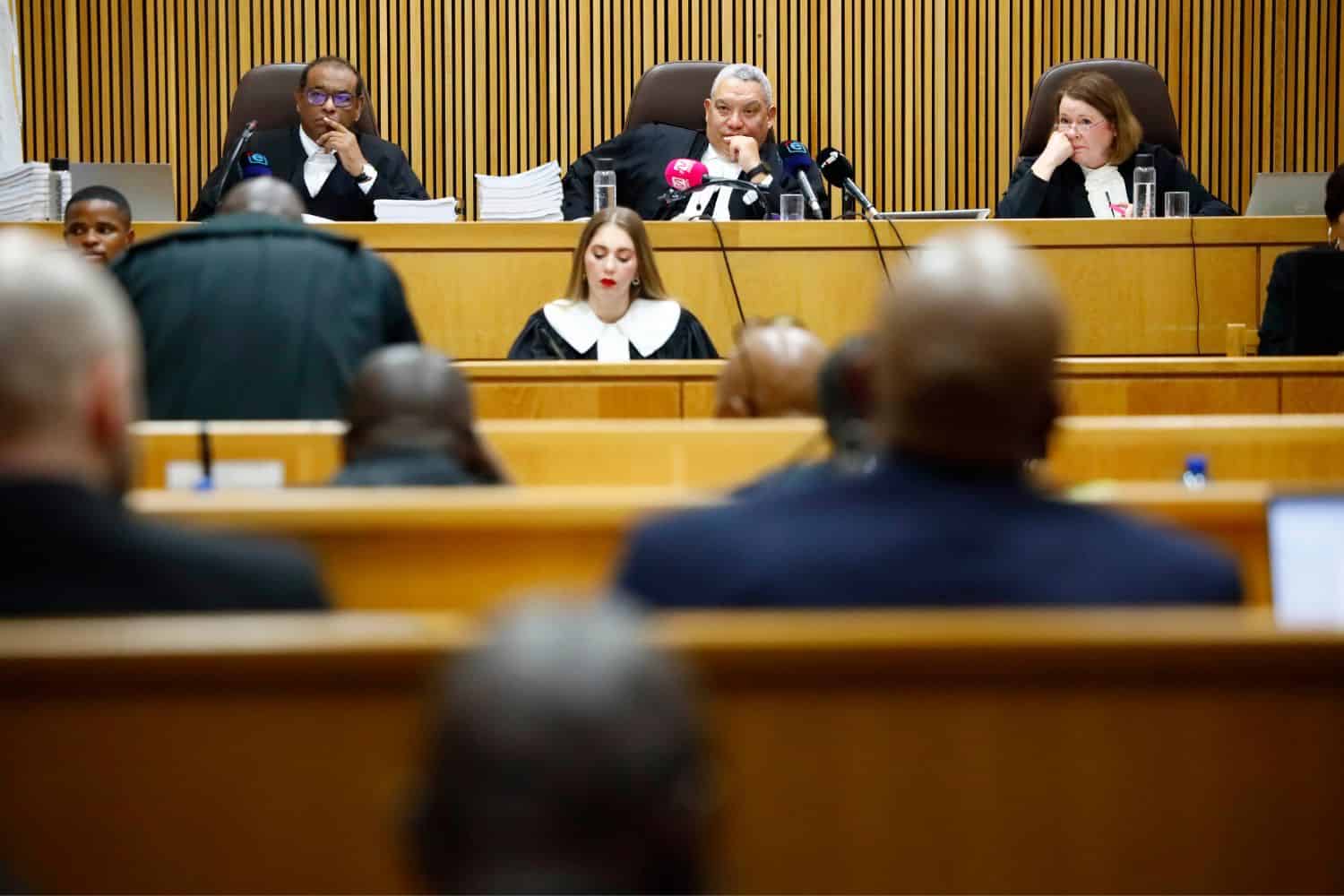
The uMkhonto weSizwe (MK) Party and United Africans Transformation (UAT) have failed in their attempt to appeal an interim order that halted President Cyril Ramaphosa’s Phala Phala impeachment inquiry.
Visit betsport.cv for more information.
The Western Cape High Court in Cape Town dismissed their application for leave to appeal on Friday, 28 August 2026.
The two political parties had approached the court seeking permission to challenge its earlier ruling, which granted Ramaphosa an interim interdict preventing the impeachment committee from proceeding with public hearings.
The 24 July 2026 ruling did not, however, bring the committee’s work to a complete standstill.
While public hearings under Rule 129M of the National Assembly’s rules were temporarily stopped, the committee was allowed to continue with preparatory activities.
The interim order remains in place pending the outcome of Ramaphosa’s review application, in which he is challenging the findings of a Section 89 independent panel.
The panel, in its report, concluded that the president had questions to answer over the theft of approximately $580 000 (about R9.6 million) from his Phala Phala game farm in Limpopo on 9 February 2020.
Ramaphosa is seeking to have the panel’s findings overturned.
Ramaphosa interdict didn’t halt impeachment committee
In dismissing the appeal application, Judge Matthew Francis said the earlier order was narrowly framed and did not prevent the impeachment committee from continuing with work that it was still permitted to undertake.
Francis stressed that the 24 July ruling did not completely restrain the committee, which is made up of 31 members of parliament from 16 political parties.
He also pointed out that the interim interdict would lapse once judgment is handed down in Ramaphosa’s review application, which is scheduled to be heard from 2 to 4 September.
“The committee’s terms of reference are not yet fulfilled and fall to be considered on 1 September 2026.
“The president has objected to the proposed chief evidence leader, and a legal opinion has been sought. No assistant evidence leaders had been appointed.
“Once the evidence leader briefs the committee on the panel report, a call for evidence, statements, and witness lists will follow. No hearing under rule 129M is thus imminent,” the judgment reads.
Francis concluded that the threshold for granting leave to appeal had not been met.
He highlighted that the central issue was instead whether the Section 89 panel report should ultimately be set aside.
“An appeal against the interim restraint would not decide that issue. It would not advance its adjudication, nor shorten the road to a final answer.
“It would run alongside the review, at further cost to the parties and to the court, and, on the current timetable, the review judgment would overtake it.”
ConCourt decision also considered
The judge also took into account a recent Constitutional Court (ConCourt) decision involving the African Transformation Movement (ATM) and the Economic Freedom Fighters (EFF).
On 12 August 2026, the ConCourt refused the two parties’ direct application for leave to appeal against the interim order.
Francis said the ConCourt’s decision was relevant to the application before him, although it was not determinative.
“The basis on which the Constitutional Court declined to entertain the matter at that stage was the impending determination of the review and the likelihood that the interim order would thereby become moot.
“The factual basis for that assessment has, if anything, become stronger. I treat the refusal as relevant, but not determinative, to the present enquiry.
“There is, in my view, no compelling reason why this appeal should be heard in its present form,” Francis explained.
Francis consequently dismissed the MK Party and UAT’s application for leave to appeal.