El Niño threat puts SA’s water and food security at risk
· Citizen
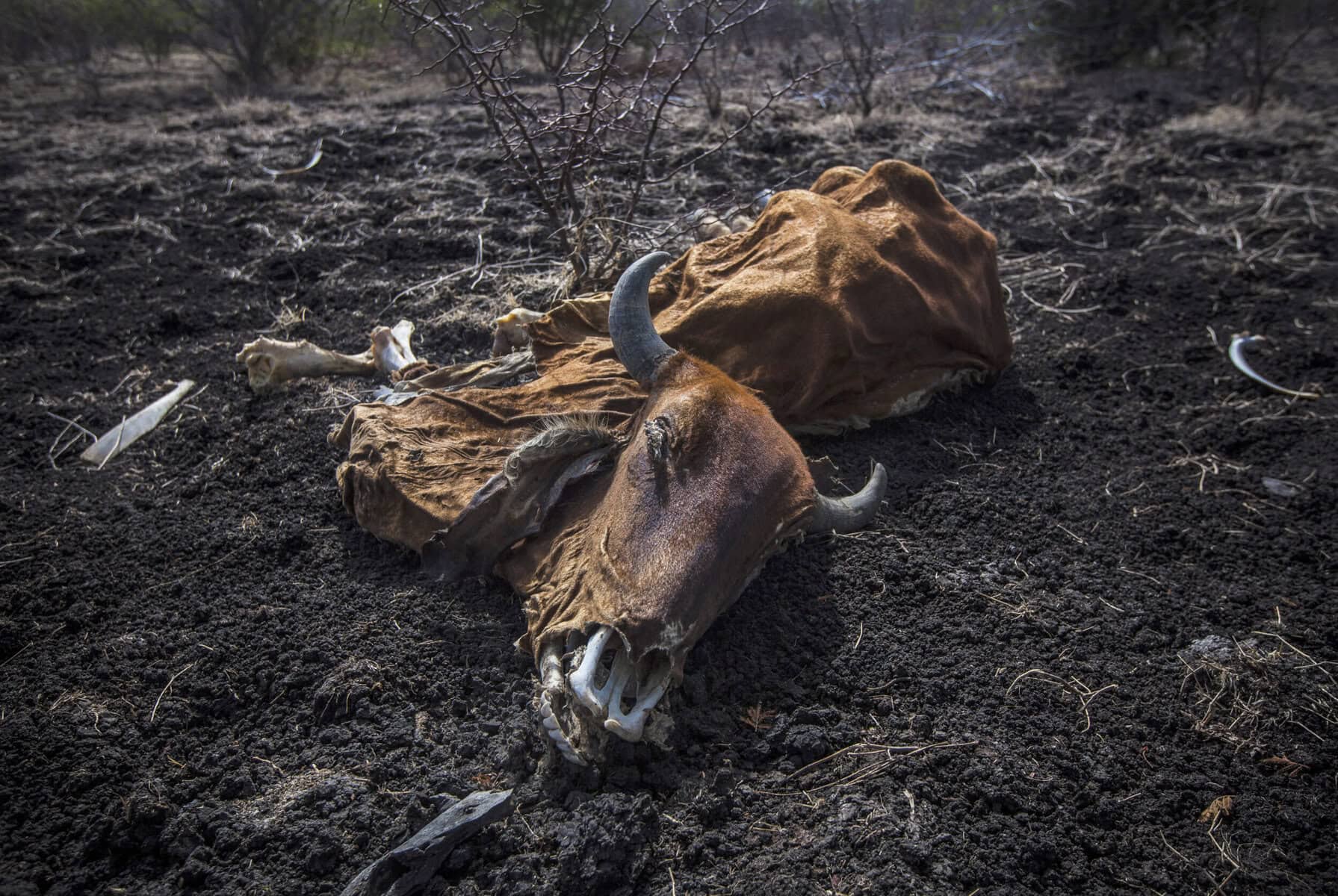
The onset of a strong El Niño event during the second half of this year may hold dire consequences for conservation, agriculture and water security in South Africa.
Visit afnews.co.za for more information.
Climate models are showing that the conditions arising from El Niño are likely to peak between October and December, persisting into early next year.
The most recent international forecasts indicating one of the highest probabilities yet observed for a strong-to-verystrong El Niño raise concerns for southern Africa, where El Niño has historically been associated with below-average summer rainfall, elevated temperatures and widespread drought.
Although every El Niño differs, the anticipated event warrants immediate planning by farmers, conservation practitioners, water managers and urban residents.
Historically, El Niño years have produced delayed onset of summer rainfall, reduced rainfall across the summer rainfall region, higher daytime temperatures, increased frequency and duration of heatwaves, lower stream flows, lower dam inflows and greater wildfire danger during late winter and spring.
The strongest impacts are experienced across Limpopo, North West, Free State, Mpumalanga, Gauteng and much of the Eastern Cape interior.
The Western Cape, which receives predominantly winter rainfall, is usually less directly affected, though high temperatures and increased evaporation may still place pressure on water resources.
Agriculture is among the sectors most vulnerable to El Niño. Reduced rainfall during planting seasons can substantially decrease maize, sunflower and soya bean production, among others.
Heat stress during flowering and grain filling also reduces yields while increasing irrigation demand.
Livestock farming faces equally significant risks. Many of these livestock production areas fall within the grassland biome where the Endangered Wildlife Trust (EWT) works to improve habitat management, declare protected areas and restore transformed ecosystems for the protection of threatened species.
Poor rainfall results in reduced grass production, declining veld condition and lower carrying capacity. Water points dry earlier, increasing pressure on remaining resources and accelerating land degradation through overgrazing.
Livestock experience reduced fertility, lower weight gain, increased disease susceptibility and mortality where supplementary feeding is inadequate.
Mitigating these impacts should centre on pro-actively reducing stocking rates to increase resilience in line with reduced carrying capacity of the hydrologically stressed system.
Other key proactive actions could include building fodder reserves while feed remains relatively affordable, repairing water infrastructure and improving storage capacity, rotating grazing to protect veld condition, developing contingency drought budgets and marketing plans, and working with veterinarians to minimise disease risks associated with nutritional stress.
The conservation sector faces many of the same challenges. Protected areas may experience declining water availability, reduced grazing and browsing availability, increased wildlife concentrations around remaining water sources and heightened competition between herbivores.
Smaller wetlands may dry completely, affecting amphibians, waterbirds and aquatic biodiversity. Vegetation under drought stress becomes susceptible to insect outbreaks, invasive species and wildfire.
Perhaps the most important long-term climate adaptation strategy is protecting South Africa’s strategic water source areas, particularly the high-altitude grassland catchments that supply much of the country’s surface water.
This is a core focal biome for the EWT, with key areas in the Amathole Mountains, near Hogsback in the Eastern Cape, the KwaZulu-Natal Midlands, the escarpment and plateau of the northern Drakensberg in the eastern Free State and the Steenkampsberg plateau around Dullstroom in Mpumalanga.
Healthy grasslands perform several critical ecosystem services, including but not limited to increasing rainfall infiltration, recharging groundwater, reducing soil erosion, moderating flood peaks, sustaining dry-season river flows, improving water quality and increasing resilience during drought.
Conversely, degraded grasslands lose their sponge-like capacity to absorb rainfall.
Water runs rapidly off compacted soils, causing erosion during storms, while leaving rivers with reduced base flows during dry periods.
Restoration through improved grazing management, erosion control, alien plant clearing, ecologically responsible fire management and wetland protection represents one of the most cost-effective climate adaptation investments available to South Africa.
Healthy catchments function as natural infrastructure, complementing built dams and reservoirs, while reducing treatment costs and increasing water security.
Urban residents are often insulated from seasonal climate variability until water restrictions become necessary.
Nevertheless, prolonged drought can rapidly reduce reservoir storage and increase pressure on municipal water supplies.
Municipalities should simultaneously accelerate leak detection, infrastructure maintenance, groundwater development where appropriate and public awareness campaigns before severe shortages emerge.
Households can improve resilience by:
- Reducing unnecessary water consumption;
- Repairing leaking taps and toilets;
- Installing low-flow fittings;
- Harvesting rainwater where feasible;
- Reusing grey water for gardens;
- Planting indigenous drought-tolerant vegetation;
- Maintaining emergency household water storage; and
- Supporting municipal efforts to reduce nonrevenue water losses.