SC Rules Lift Manufacturers, Maintenance Agencies & Building Owners Jointly Liable For Elevator Accidents
· Free Press Journal
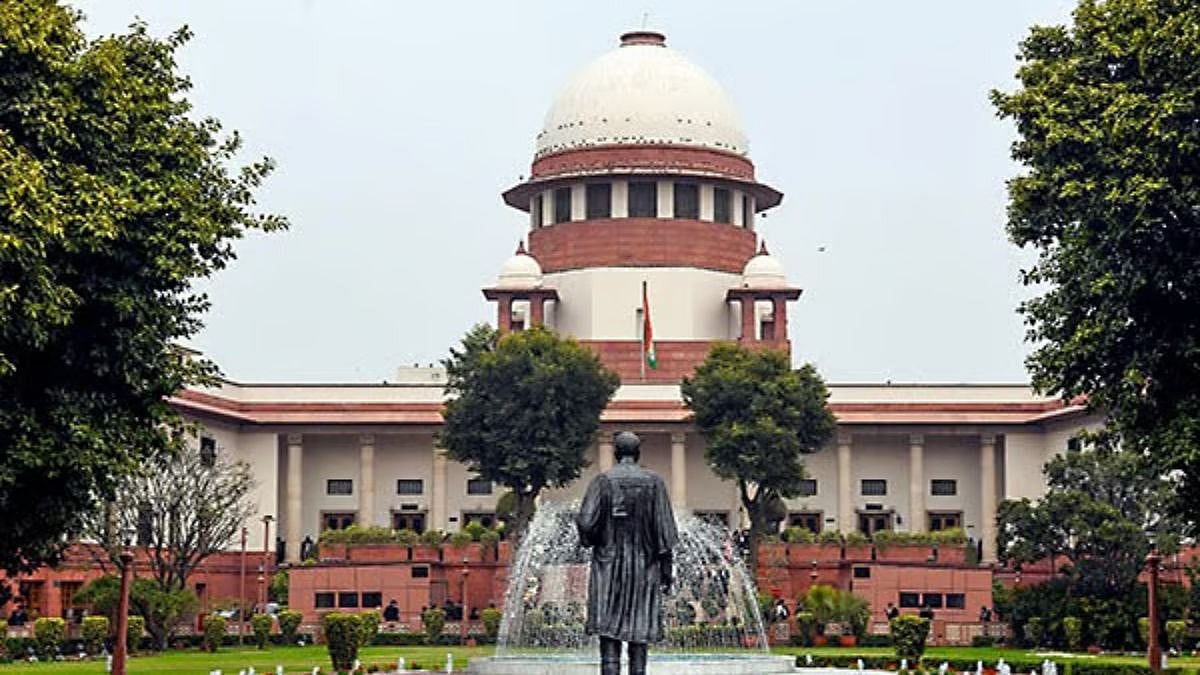
New Delhi: In a landmark judgment aimed at strengthening passenger safety, the Supreme Court has ruled that elevator manufacturers, maintenance agencies and building owners or managers are jointly and severally liable for lift accidents.
The ruling means that victims or their families are no longer required to first establish which party was directly responsible before seeking compensation. Instead, they can recover the entire compensation from any one of the liable parties, who may later settle liability among themselves.
Visit biznow.biz for more information.
Supreme Court Upholds ₹3.01 Crore Compensation
A Bench of Justices P.S. Narasimha and Alok Aradhe delivered the verdict while upholding compensation of more than ₹3.01 crore, along with interest, to the family of former diplomat and R&AW officer Vipin Handa.
Handa lost his life in a lift accident at the agency's headquarters in New Delhi on March 20, 2003. The judgment comes after more than two decades of litigation.
Elevators Treated As 'Common Carriers'
In a significant legal observation, the Supreme Court held that elevators should be treated as "common carriers", similar to buses, trains and aircraft.
The court said that once a passenger enters a lift, they surrender control over their safety and place complete trust in those responsible for designing, installing, maintaining and operating the elevator. This, it said, imposes a heightened duty of care on all stakeholders.
Liability Shared Among All Stakeholders
The judgment makes it clear that liability in lift accidents is shared among:
Elevator manufacturers and installers
Maintenance agencies
Building owners or management
Victims or their families can seek the full compensation from any one of these parties. The responsible entities can subsequently resolve how the liability is to be shared among themselves.
The court said this approach would prevent agencies from shifting blame onto one another, a practice that has often delayed justice for victims.
Court Upholds Liability Distribution
The Supreme Court upheld the findings of the National Consumer Disputes Redressal Commission (NCDRC), which had apportioned liability as follows:
70% – Otis Elevator Company (India) Ltd.
25% – Military Engineering Services (which supervised maintenance)
5% – Building management/user
The compensation of ₹3,01,48,195 was also upheld, along with 9% annual interest from the date of the accident. The interest would increase to 12% per annum if payment is not made within 90 days.
Lift Had History Of Defects
The court observed that the lift involved in the accident had a history of repeated defects.
Despite being aware of the recurring issues, the authorities failed to take adequate safety measures or declare the elevator unsafe for public use, ultimately leading to the fatal accident.
What The Verdict Means For Housing Societies & Building Managers
The judgment places greater responsibility on Resident Welfare Associations (RWAs), apartment complexes, commercial establishments and institutions to ensure lift safety.
They must now ensure:
Regular preventive maintenance by authorised agencies
Prompt action on complaints involving jerks, unusual noises or malfunctioning doors
Proper maintenance records and annual safety inspections
Immediate shutdown of lifts showing signs of unsafe operation
Functional emergency communication systems inside elevators
Adequate staff training for emergency rescue operations
The court made it clear that ignoring complaints or delaying repairs could result in legal as well as financial liability.
Safety Advice For Lift Users
The Supreme Court also emphasised that passengers should exercise caution while using elevators.
Supreme Court Grants Interim Relief to Khandwa Families, Stays Demolition of 25 HousesUsers should avoid overloading lifts, never force doors open, refrain from attempting to exit a lift stuck between floors, use the emergency alarm or communication system if trapped, wait for trained rescue personnel and report even minor irregularities without delay.
A Landmark Ruling On Passenger Safety
The verdict is expected to significantly strengthen accountability in lift safety across India. By fixing joint liability on all key stakeholders, the Supreme Court has sought to ensure quicker compensation for victims while reinforcing the responsibility of manufacturers, maintenance agencies and building managers to prioritise passenger safety.