Mjolo in mind? What SA’s most searched words tell us about the state of relationships
· Citizen
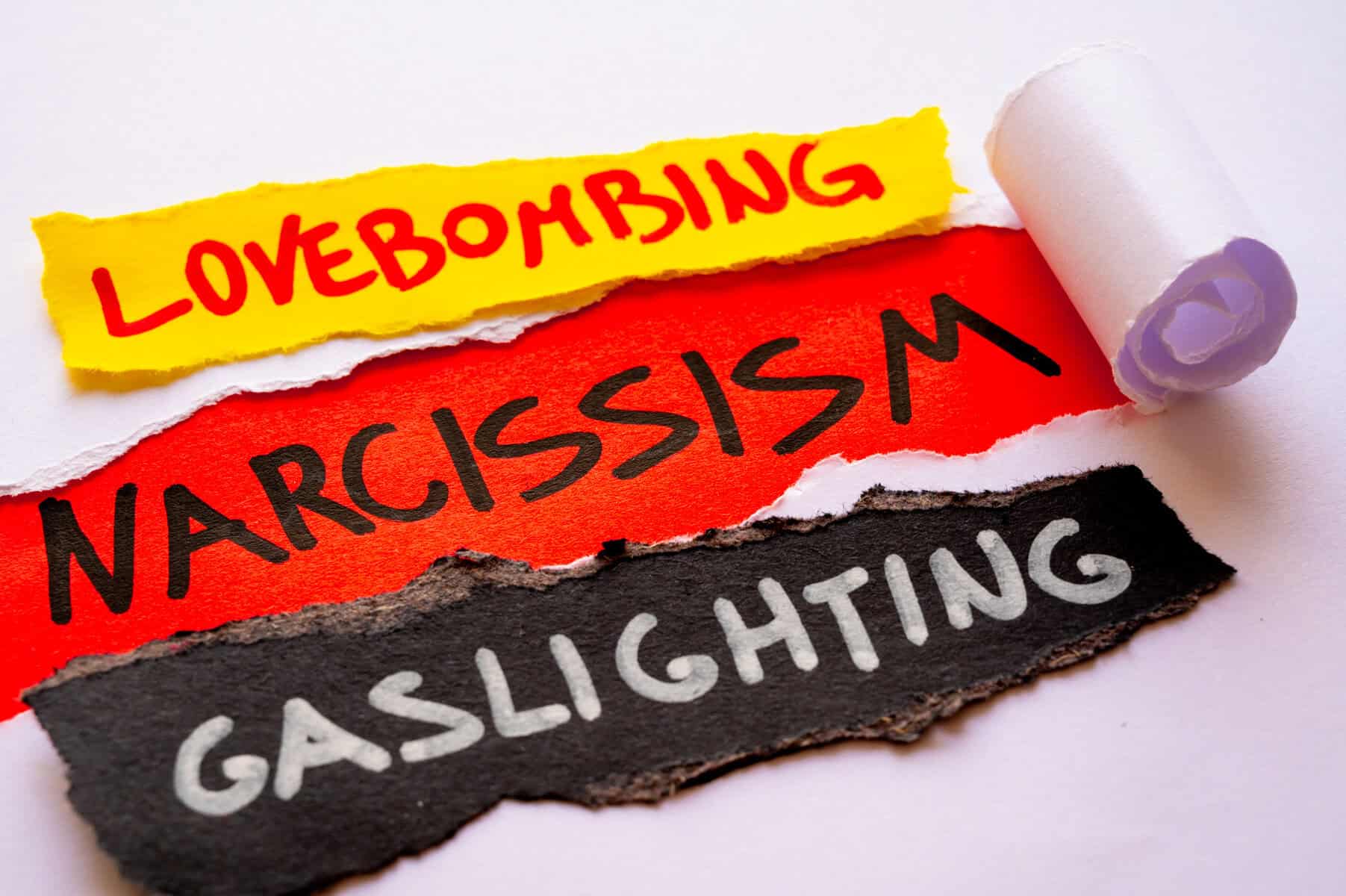
South Africans have a lot on their minds when it comes to love, and Google Search is where they’re going to figure it out.
Visit zeppelin.cool for more information.
New research analysing search data for 2026 has revealed the most searched word definitions in South Africa, and the results paint a telling picture of a nation trying to navigate modern relationships, emotional wellbeing and everyday mjolo drama, one Google search at a time.
Topping the list nationally is “narcissist”, searched 38 200 times a month, narrowly beating “gaslighting” (36 300 searches) and “love” (34 500 searches). Rounding out the top five are “anxiety” (31 000 searches) and “metaphor” (30 800 searches).
The full top 25
- Narcissist – 38 200 searches
- Gaslighting – 36 300 searches
- Love – 34 500 searches
- Anxiety – 31 000 searches
- Metaphor – 30 800 searches
- Integrity – 28 500 searches
- Fatigue – 26 200 searches
- Agile – 25 000 searches
- Stress – 23 700 searches
- Spiritual – 23 500 searches
- Capacity – 23 400 searches
- Clingy – 23 200 searches
- Equity – 22 800 searches
- Nonchalant – 22 700 searches
- Democracy – 22 600 searches
- Ethics – 22 400 searches
- Science – 22 200 searches
- Empathy – 21 200 searches
- Grace – 21 000 searches
- Resilience – 19 500 searches
- Power – 18 000 searches
- Corruption – 14 700 searches
- Discernment – 14 100 searches
- Eligible – 12 900 searches
- Apathy – 9 400 searches
It’s hard to miss the relationship red flags hiding in plain sight here. “Narcissist”, “gaslighting” and “clingy” all crack the top 15, while “nonchalant” – internet shorthand for the emotionally unavailable situationship partner – isn’t far behind at number 14. Add “love” sitting comfortably in third place, and it’s clear that matters of the heart are driving a huge chunk of South Africa’s search behaviour this year.
Official statistics from Statistics South Africa (Stats SA) indicate that traditional marriage is declining significantly in the country, while divorce rates are rising. On the romantic front; society is shifting toward cohabitation and single life, with women increasingly driving divorce filings.
Emotional wellbeing tops the list
The word definitions weren’t searched at random. According to the findings, they cluster into distinct themes that reveal what’s actually keeping South Africans up at night – or up scrolling.
A spokesperson for Unscramblerer.com, the word-based platform behind the research, said the standout trend was just how abstract this year’s most-searched definitions were.
“One of the most striking findings is that South Africa’s top searched definitions in 2026 are dominated by abstract concepts rather than objects,” the unnamed spokesperson said.
“From gaslighting and narcissist to integrity and democracy, people are searching for words that help them navigate relationships, emotions and the wider world.”
The research grouped the 25 words into three broad categories:
Emotional wellbeing: gaslighting, narcissist, love, anxiety, stress, fatigue, empathy, clingy, nonchalant and apathy.
Value-based and societal: integrity, democracy, equity, ethics, corruption, power and capacity.
Personal growth and educational: resilience, discernment, spiritual, science, metaphor, agile, grace and eligible.
“Our research shows that emotional wellbeing, values, society and personal growth are the categories that stand out the most. People are searching for definitions to better understand personal experiences and public conversations.”
How your province stacks up
The national list is only half the story. Search habits shift noticeably from region to region, suggesting that different provinces are grappling with different priorities.
- Mpumalanga – Nonchalant
- Limpopo – Narcissist
- Northern Cape – Spiritual
- Eastern Cape – Resilience
- Free State – Spiritual
- North West – Gaslighting
- Western Cape – Integrity
- Gauteng – Grace
- KwaZulu-Natal – Agile
The bigger picture
Taken together, the data suggests South Africans are using search engines as a kind of low-stakes therapist – a place to quietly check whether what they’re going through has a name, whether it’s a difficult ex, a demanding job or the state of the country.