Foreign doctors earn more than R600m yearly in Gauteng
· Citizen
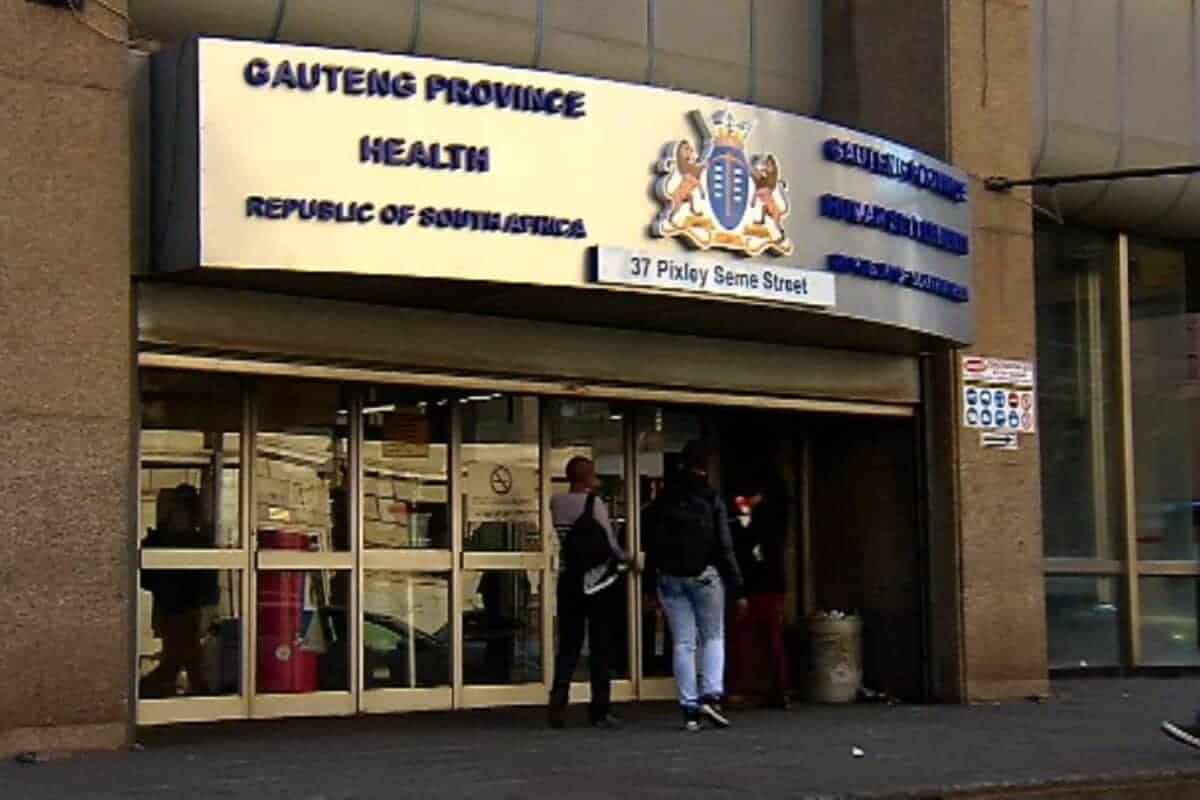
The Gauteng department of health has admitted to spending more than R600 million annually on salaries for foreign doctors – a move that has sparked a nationwide outcry as qualified local medical workers remain jobless.
There are 551 foreign medical professionals on the department’s payroll, with 170 in permanent employment and 186 on temporary contracts.
Visit freshyourfeel.org for more information.
Of these, 545 are employed directly as medical staff, including specialists, doctors, nurses and technicians, while six are in administrative support positions.
Budget details revealed
This was revealed by the provincial MEC for health and wellness Faith Mazibuko, in a written reply to ActionSA’s questions.
For the 2026-27 financial year, the department budgeted a staggering R612 719 892 for foreigners’ compensation, Mazibuko said.
ActionSA spokesperson on health and wellness Emma More described it as a “slap in the face to South African graduates”.
Criticism over unemployed local doctors
According to anti-illegal migrant organisation March and March, the practice of hiring foreign nationals at the expense of locals is widespread and spans roles from low-income to professional at public institutions.
A study by Unisa researchers S Mohamed and AV Adeleke showed while the public sector provides health care access to 84% of patients, it is severely understaffed with 0.3 doctors per 1 000 people, a figure far below the World Health Organisation’s recommended ratio of 2.5 per 1 000.
South African Medical Association statistics show over 1 800 qualified doctors who have completed their mandatory internships and post-community service remain unemployed in SA.
The national department of health has cited severe budgetary constraints and frozen posts as the cause.
More said government continues to overlook the country’s own health care professionals, despite persistent staff shortages.
“Taxpayers fund the bursaries and university training of our medical students, only for the provincial government to refuse to absorb them into a public system that is chronically understaffed and falling apart.”