'Enough Is Enough': Lawmakers Criticize Trump Over Resumption of Iran War
· Time
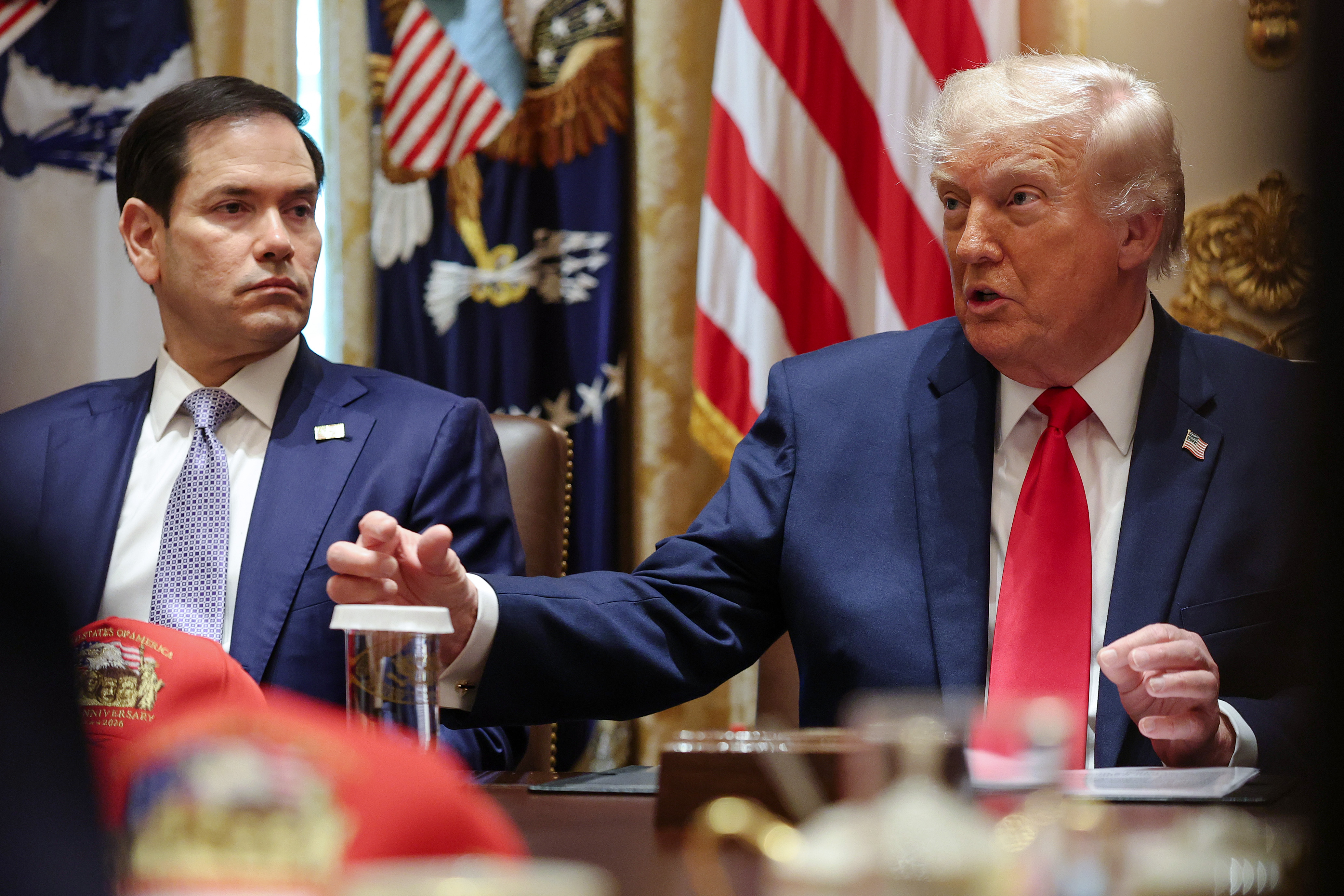
President Donald Trump sent Congress a formal notification that the U.S.-Iran war has resumed as Washington and Tehran trade fresh strikes over the Strait of Hormuz.
Visit grenadier.co.za for more information.
The letter, dated July 10 and confirmed to TIME by a White House official on Tuesday, is seemingly viewed by the Trump Administration as the start of a new 60-day window whereby the U.S. can engage in military action against Iran without seeking congressional approval.
However, Democratic lawmakers have denounced the resumption of the Iran war and the return to active hostilities, despite the interim cease-fire agreement signed June 17.
Both the House of Representatives and the Senate passed War Powers Act resolutions last month aimed to restrict Trump from continuing the war.
On Monday, Democratic Sen. Adam Schiff of California called for Congress to “reassert its war powers authority.”
Schiff filed a new War Powers Resolution after the collapse of the cease-fire. The resolution was co-sponsored by Democratic Senators Tim Kaine of Virginia, Andy Kim of New Jersey, Jeff Merkley of Oregon, and Chris Van Hollen of Maryland.
“We were promised the war would be over for months. And now in a matter of days, we've gone from a bad U.S.-Iran deal to more strikes, another blockade, and added turmoil that will only drive prices higher,” Schiff said, referencing Trump’s decision to reinstate the U.S. naval blockade in the Strait of Hormuz.
“Any assertion by the Trump Administration that he gets 60 more days to act without Congress has no foundation in law,” he continued, imploring for a “new vote to end this war.”
Senate Minority Leader Chuck Schumer was equally critical of the Trump Administration returning to active hostilities against Iran.
“Donald Trump's so-called ‘understanding’ with Iran fell apart faster than the ink could dry,” Schumer argued. “The House and Senate both voted to remove our forces from harm’s way and end this war now. Trump must comply.”
He added: “Enough is enough. End the war.”
Schumer showcased his disapproval further when he addressed the Senate floor on Monday, saying: “Trump’s rinse and repeat approach to the Iran war isn’t a strategy, it’s a recipe for utter disaster.”
Focusing on the mounting cost of the Iran conflict, in the midst of an affordability crisis, Schumer added: “We keep moving backward. Gas prices stay high, casualties increase, costs increase. It’s incredible what a fiasco this war is.”
Democratic Sen. Chris Murphy of Connecticut also referenced the economic impact of the war as he noted that “gas prices are spiking again.”
“The bottom line? Trump has no moves to make. His spiraling incompetence has boxed America in. It's only going to get worse,” he warned.
Murphy argued it was a mistake for the U.S. to kill former Supreme Leader Ali Khamenei, as it allowed “more dangerous hardliners to replace him.”
Democratic Rep. Teresa Leger Fernández of New Mexico also expressed concern.
Trump “is telling Congress the United States is at war again—and claiming another 60 days to wage it without congressional approval,” she said. “He cannot end a war on paper to dodge the law, then restart the clock when it suits him. No more lies. No more endless wars.”
Democrats and Republicans raise issue with Trump’s plan for U.S. to control Strait of Hormuz and get paid for it
Trump on Monday said the U.S. should control the Strait of Hormuz, a crucial passage through which around a fifth of global oil production typically flows, as renewed hostilities with Iran intensified.
“We are going to keep the Strait. We will probably run it,” Trump revealed during a phone interview. “We'll become the guardian of the Strait. Maybe we'll call it the ‘guardian angel’ of the Strait.” He said that the U.S. would ideally then be “reimbursed” for their guardianship of the waterway by “other" nations.
Soon after, Trump announced that the U.S. is reinstating its naval blockade against Iran and will charge 20% on all cargo shipped through the Strait to cover "any and all costs necessary to do the job of providing safety and security to this very volatile section of the world."
The news came after months of the U.S. and its allies urging for a full, toll-free reopening of the vital waterway.
Trump’s announcement that the U.S. will “run” the Strait and charge a fee for its guardianship has prompted criticism and concern across party aisles.
Republican Sen. John Cornyn of Texas told reporters on Capitol Hill: “I recall Secretary [Marco] Rubio saying that would not be proper for any country…. Am I wrong?”
Cornyn appeared to be referencing the Secretary of State’s remarks from late June, whereby he said of the Strait: “It’s an international waterway. No country is allowed to charge tolls or fees on an international waterway. That’s existing international law.”
TIME has contacted Rubio’s office for comment.
Sen. Kim of the Democratic Party also cited concern over the plan for the crucial trade passage, the disruption of which has rocked energy markets across the world.
“Trump's inconsistent action over the Strait of Hormuz is not a negotiating tactic—it's expensive for Americans and a threat to the global economy,” he said. “A staggering 20% fee will drive up the cost of daily goods, from fertilizer for our farms to toys for our kids.”
The Joint Economic Committee Democrats estimate that Americans have paid $56.4 billion more for gas since the start of the Iran war.
“As President Trump declares that he’s ended his cease-fire with Iran, gas costs have already started rising again, at a time when Americans continue to face the squeeze of higher costs overall from Trump’s war, tariffs, and other actions. Yet President Trump says he doesn’t even think about the financial situation of Americans,” said U.S. Sen. Maggie Hassan of New Hampshire, a ranking member of the committee.
According to the AAA, the national average price for U.S. gas reached $3.85 per gallon on Tuesday. Prior to the onset of the Iran war, the national average for a gallon of regular gasoline stood at $2.98 on Feb. 26.