Day of reckoning for SA as nation braces for protests
· Citizen
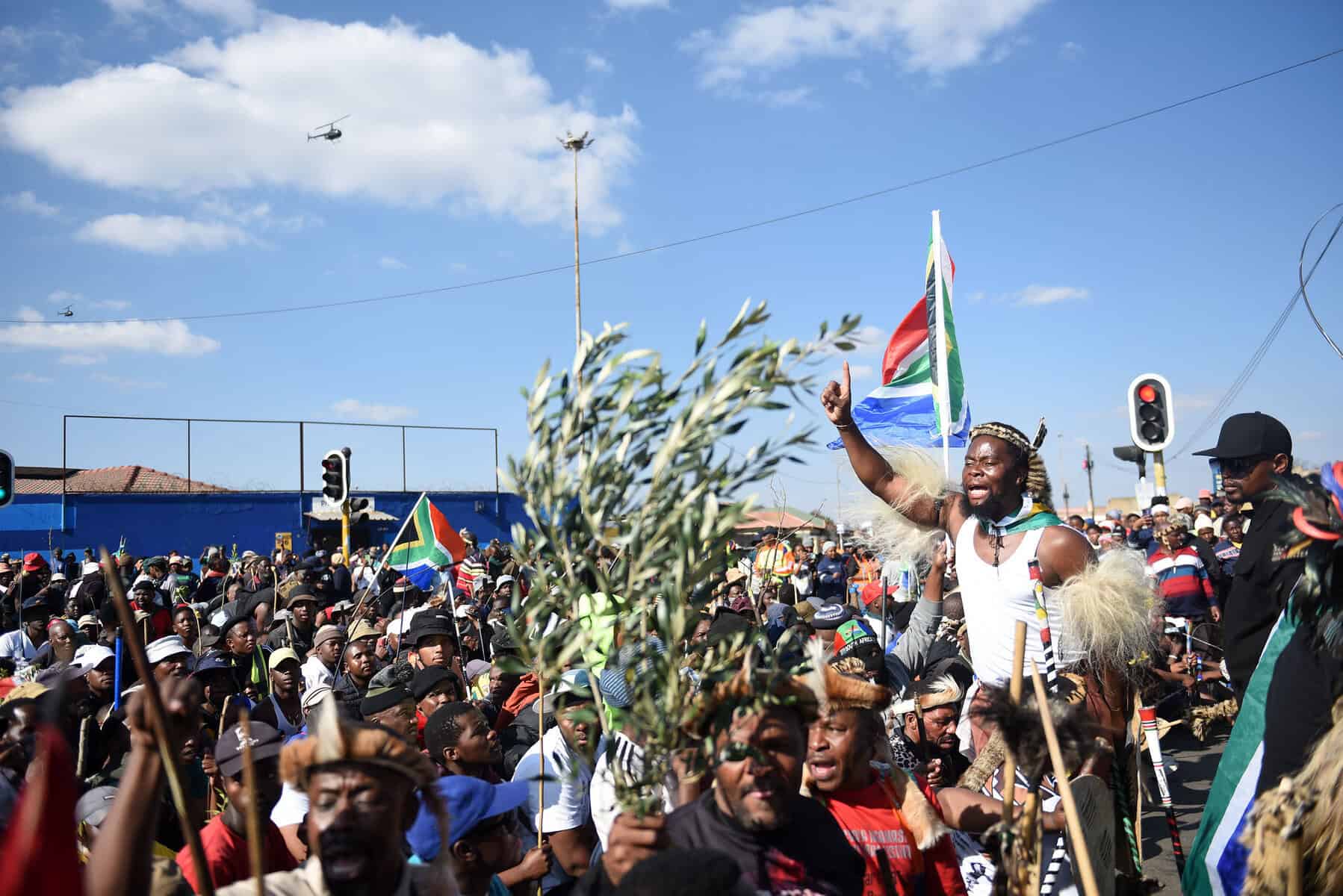
As South Africa holds its collective breath during today’s March and March national protest action, with many choosing to keep their doors locked, or work from home, in case of violence or looting.
President Cyril Ramaphosa has said intimidation and vandalism will not be tolerated in the anti-illegal migrant protest.
Visit rocore.sbs for more information.
Government declared today a normal working day
The government has said today remains a normal working day, with public services, schools and businesses expected to continue operating as normal.
However, many private companies have decided to take precautions by letting their employees work from home, and retailers such as Checkers Sixty60 announced some of their services may be unavailable in certain areas due to potential disruptions linked to planned protests.
Carmien Kruger, from Pretoria, who works at a cellphone shop in Joburg belonging to a foreign national, said they won’t be working.
Kruger, who is a South African, said none of her colleagues had work contracts, which added to the stress. “We don’t know if there will be a shop to return to on Wednesday.”
Kruger said many other foreigner-owned shops in the area have also been closed since the weekend, for fear of being attacked.
“Last week, police were here to remove foreign national delivery drivers. We didn’t ask what happened because we don’t want to get involved,” she said.
Weekend protests
Over the weekend, several incidents of what the police have described as spontaneous marches have taken place in Soweto, Midrand and Pretoria West.
Some protesters chose to start early yesterday, with parts of Soweto experiencing protests from Sunday. Streets in Jabulani were packed with marchers yesterday.
Joburg Metropolitan Police Department (JMPD) closely monitored the situation, with municipal officials stressing the need for peace and respect.
However, one advocacy group promoting the rights of foreign nationals has accused JMPD of giving preferential treatment to certain groups.
Kopanang Africa Against Xenophobia accused JMPD of previously limiting its right to protest by using disproportionate tactics.
It said the possibility of violence was previously used by JMPD as a reason to deny the group permission to protest, but had not taken that into consideration for today’s marches.
Negative effect on migrants
The Psychological Society of SA said the protests could have a negative effect on migrants.
“Psychological science demonstrates fear, uncertainty, misinformation and scapegoating of vulnerable groups can intensify prejudice, deepen social divisions, erode trust and increase the risk of interpersonal and collective violence.
“While public frustration regarding socioeconomic conditions deserves serious attention, directing blame towards particular groups rarely addresses the structural drivers of inequality, unemployment, or insecurity.”
Ramaphosa said in his weekly newsletter: “Whatever the motivation, taking the law into one’s own hands is vigilantism and has no place in our democracy.”
He acknowledged the concerns about illegal immigration, border management, pressure on public services and criminal syndicates exploiting the system.
He said government is already strengthening border controls, and tightening enforcement against undocumented immigration.