‘Zero tolerance’: Gauteng rejects ‘blind eye’ claims in land invasion fight
· Citizen
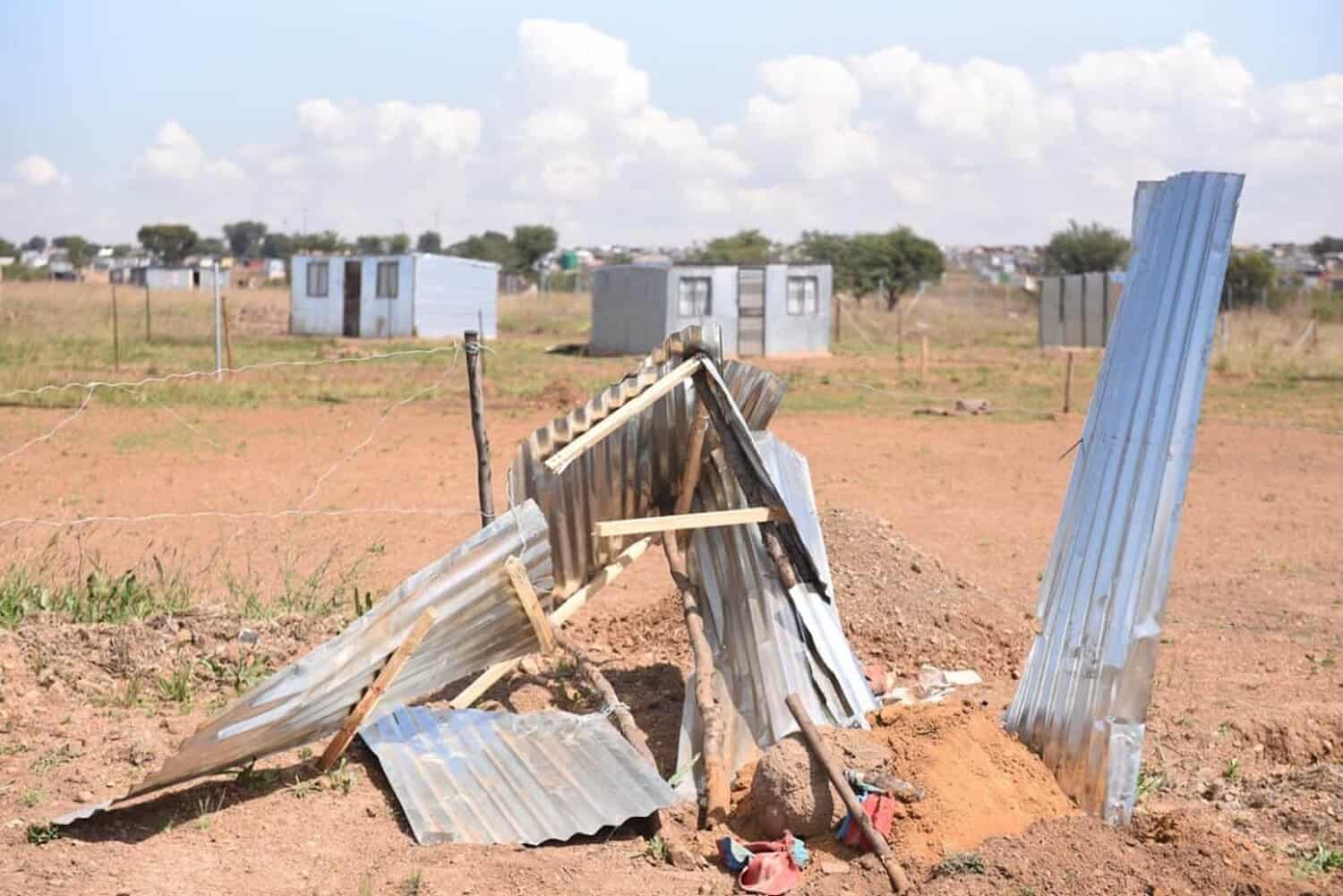
The Gauteng provincial government has intensified its efforts to curb illegal land occupation, introducing a technology-driven monitoring system and expanding coordination between municipalities, law enforcement agencies and provincial departments.
The intervention comes amid growing concern over the unlawful occupation of land and the rapid expansion of informal settlements across the province.
Visit somethingsdifferent.biz for more information.
The Gauteng Provincial Government (GPG) earlier this week stated that rapid urbanisation, population growth, and persistent housing backlogs continue to place pressure on infrastructure, service delivery, public safety, and spatial planning.
New technology to monitor hotspots
Central to the province’s latest intervention is the introduction of the Land Invasion Management Information Technology (LIMIT) system, which authorities claim will detect illegal land occupation in real-time and enhance coordination between agencies.
Speaking to The Citizen, the Gauteng Department of Community Safety said the monitoring system relies on integrated surveillance technology, including helicopters, drones, and other monitoring platforms operating in identified hotspots.
Departmental spokesperson Ofentse Morwane said early warning indicators such as “land clearing, demarcation, and coordinated movement” would be flagged immediately for assessment.
“Any suspicious activity linked to land invasion is made visible to monitoring teams who can deploy rapid response interventions,” he said.
The department said drone technology would be used to conduct rapid aerial surveillance, with footage transmitted to centralised monitoring centres where operators would continuously track developments.
“The surveillance process is strictly regulated and focused on public safety and protection of state- and privately-owned land,” Morwane added.
Multi-agency approach
The province said the anti-land invasion strategy would involve multiple stakeholders, including the Gauteng Department of Human Settlements, Community Safety, the South African Police Service (Saps), Metro Police Departments, municipal law enforcement agencies and Gauteng Traffic Wardens.
The government said coordinated monitoring, intelligence sharing and rapid response operations were being strengthened to prevent unlawful occupations before they escalated.
“Multi-stakeholder collaboration is key in dealing with all varying issues about the management of unlawful occupation of land and buildings,” Morwane said.
The department also confirmed that land and property audits would be conducted in areas heavily affected by invasions to assess ownership, the intended use of land and the scale of occupations.
Authorities said specialist support units would also be strengthened to improve surveillance, demolition of illegal structures and eviction processes on government-owned land, while complying with the Prevention of Illegal Eviction from and Unlawful Occupation of Land Act.
Government rejects criticism
The department also responded to criticism that authorities had failed to respond quickly enough to complaints and allegations that some officials accepted bribes to ignore illegal occupations.
“The Department notes the concerns but rejects any suggestion that it is turning a blind eye,” Morwane said.
“The reality is that land invasion is a rapidly evolving and complex challenge that requires both rapid response and coordinated planning.”
Morwane said the department maintained a “zero-tolerance stance” on corruption allegations and urged residents to report suspected bribery or misconduct to police or through the Crime Stop hotline.
The provincial government also warned that illegal land occupation and unlawful land sales fuelled criminal activity and placed vulnerable residents at risk.
It called on communities to work with authorities by reporting illegal land sales, land invasion activities and syndicates exploiting residents desperate for housing.
“These interventions form part of the Gauteng Provincial Government’s broader commitment to building safer, better planned, and sustainable communities,” the provincial government said.