Is National Treasury able to intervene in Eskom’s Johannesburg disconnection threat?
· Citizen
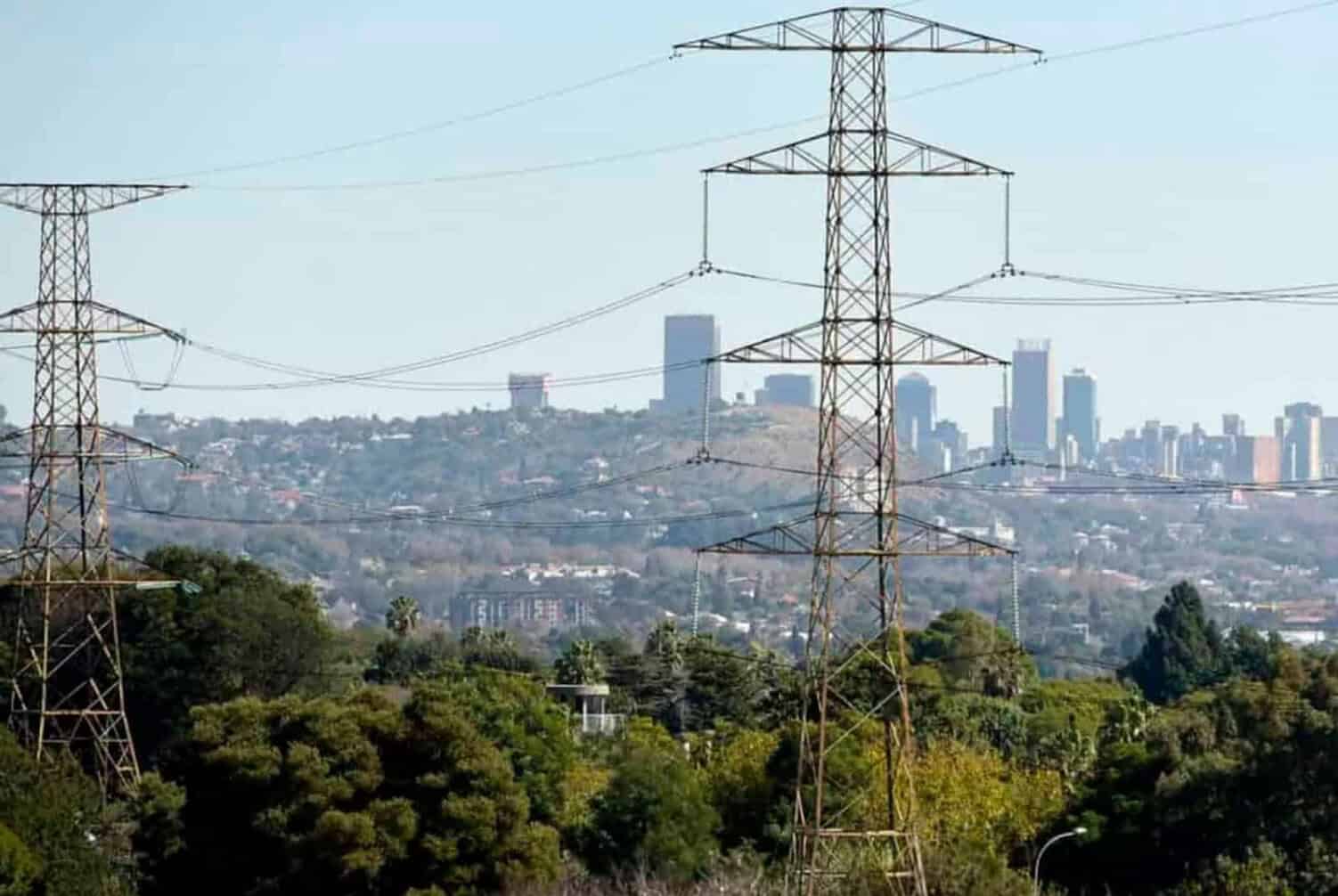
National Treasury has clarified which tiers of government need to wrestle control of Johannesburg’s electricity woes before it gets involved.
Visit asg-reflektory.pl for more information.
Eskom last week confirmed that an interruption or disconnection of the city’s electricity was on the cards should it not make a deal to rectify its debt levels.
Electricity Minister Kgosientsho Ramapkgopa had previously intervened when the municipality’s debt was roughly half of what it is now, with the minister stating more now needed to be done.
Greater Eskom intervention could be on the way in the form of Distribution Agency Agreement (DAA), which would see Eskom assist City Power with operational matters, governance and revenue collection.
As per Eskom’s notice, Johannesburg has R1.5 billion due on 5 June, with a further R5.2 billion still in arrears.
No Treasury intervention yet
Eskom stated last week that it had been supporting Johannesburg’s electricity board, City Power, for over two years but had now failed to honour its electricity supply agreement.
“Eskom maintains it simply cannot be acceptable to the city’s residents and all South Africans that City of Johannesburg and City Power is collecting electricity revenue, but failing to pay over Eskom’s share,” the entity stated.
Treasury and Minister of Finance Enoch Godongwana last month intervened in municipal affairs, warning Johannesburg administrators that its multi-year R10 billion wage deal with the South African Municipal Workers’ Union was unlawful and unfunded.
However, Treasury said that it was unable to intervene in the dispute between Johannesburg and Eskom.
The department explained the municipality was not part of the Municipal Debt Relief Programme, deferring responsibility to Ramakgopa.
“The city and Eskom must resolve the billing dispute, considering that recently the Minister of Energy and Electricity, through South African National Energy Development Institute, settled on the dispute between the parties which resulted in a payment arrangement of R3.1 billion,” Treasury told The Citizen.
Provincial government first
Asked whether placing the municipality’s electricity board under administration was an option, Treasury stated the next responsibility tier of government would be provincial.
Treasury stated that if a municipality is unable to provide basic services or meet its financial obligations, and the provincial government fails to intervene, only then would the national government be able to act.
“In the event that the provincial executive cannot or does not adequately exercise the powers conferred in terms of section 139(4) or (5) of the constitution, the national executive is obliged to intervene in terms of Section 139(7) of the constitution and assume, for purposes of the intervention, the functions and powers of a provincial executive,” Treasury stated.
Chapter 13 of the Municipal Finances Management Act sets out the regulations and parameters for provincial government intervention, with the office of the Premier deferring questions on the possibility.
The Gauteng Department of Cooperative Governance and Traditional Affairs (Cogta) acknowledged attempts for comment and those will be added once forthcoming.
Treasury confirmed that no discussion had been had with Cogta or the Gauteng Provincial Government as yet.
Ramakgopa last week told 702 that his department was “seriously looking” at a DAA, stressing he had already extended his assistance.
“I personally intervened, and we reached a payment plan to service the debt. Unfortunately, City Power did not keep up with the payment agreement, and it is catastrophic for Eskom,” he said.
A DAA assists municipalities with technical and skills support, increasing service delivery while maintaining the municipality’s autonomy.
“The DAA is a partnership focused on strengthening municipalities – not taking over operations,” Eskom states.