NGMA Director Nidhi Choudhari: 'We Brought Together Practitioners Who Have Not Only Captured Cinema But Shaped Its Visual Language'
· Free Press Journal
When UNESCO designated Mumbai as a Creative City of Film in 2019, it was a global recognition of what the city has represented for more than a century — the heart and soul of Indian cinema. From the pioneering days of Dadasaheb Phalke, who created India’s first feature film Raja Harishchandra, to its status today as a powerhouse of storytelling, talent and innovation, Mumbai represents nation’s cinematic imagination.
Visit biznow.biz for more information.
The National Gallery for Modern Art (NGMA) celebrates this status this year. They have curated an exhibition of photographs, artworks, film stills, studio portraits, magazine covers and rare archival treasures. Lens and Legacy is a showcase of legacy of Indian Cinema, especially Hindi Cinema. And they chose April 30, birth anniversary of Dadasaheb Phalke, as the inauguration day.
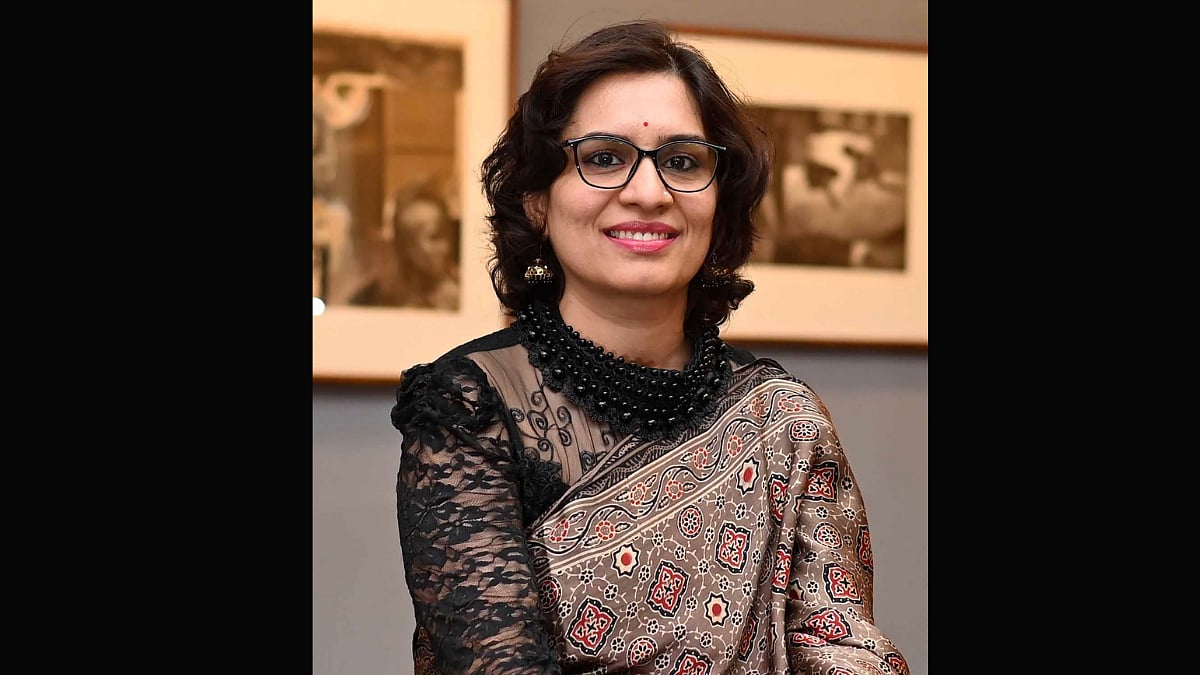
Curator of this exhibition, and director of NGMA, Nidhi Choudhari, spoke to The Free Press Journal about the exhibition.
Excerpts from the interview:
What parameters were used to select the photographers?
While the National Gallery of Modern Art has hosted photography exhibitions earlier, this time we consciously chose photographers who had not exhibited at NGMA before. Beyond that, the selection was guided by three key considerations: artistic credibility, historical relevance, and diversity of perspective. Each participating photographer has spent decades documenting Indian cinema. We brought together practitioners who have not only captured cinema but have also shaped its visual language over time. The intent was to present a dialogue across generations and styles, reflecting both continuity and evolution in Bollywood’s visual culture.
Asha BhosleWhat parameters were used to select the photos?
The photographs were selected for their narrative strength, aesthetic quality, and cinematic significance. Each image needed to go beyond documentation and offer insight into the persona of the artist or the mood of an era. We ensured a thoughtful balance between iconic, widely recognised frames and lesser-seen works that bring depth, nuance, and a sense of discovery to the exhibition.
Amitabh BachchanWho strived to get the UNESCO accreditation? And how did we get it?
The recognition of Mumbai as part of the UNESCO Creative Cities Network as a Creative City of Films was the result of sustained institutional effort, with strong facilitation at the municipal level. During my tenure at the Brihanmumbai Municipal Corporation, the then Municipal Commissioner, Ajoy Mehta Sir, entrusted me along with Chief Business Development Officer Shashi Bala with preparing the UNESCO dossier. We worked closely with cultural stakeholders, industry representatives, and academic institutions to build a comprehensive and compelling submission.
SRK and KajolThe process involved mapping Mumbai’s cinematic ecosystem, its legacy, infrastructure, and global influence, and presenting it in alignment with UNESCO’s framework. I still recall how we worked late into the night, compiling and structuring the data, and submitted the application at the very last hour. It remains deeply satisfying that Mumbai received this recognition.
Kala Ghoda Arts Festival 2026: ‘Curating Literature Is A Responsibility As The World Tilts Forward,’ Says Literature Curator Tara KhandelwalRaj KapoorDo you have any personal favourites and why?
It is always difficult to choose, but I am particularly drawn to portraits that reveal the inner life of the artist rather than just their public persona. Images of legendary Dharam Ji, when seen through an intimate and reflective lens, uncover a vulnerability and depth that audiences rarely encounter. Some works in the exhibition beautifully blur the boundary between photography and painting, making them especially compelling from an artistic standpoint.
Sunil DuttWhat’s that one thing you wish you could have included in this exhibition but are not able to and why?
Ideally, I would have liked to include more archival material from the early decades of Indian cinema, particularly original prints and behind-the-scenes documentation from the studio era. While we have valuable archival contributions from SMM Ausaja and Kamat Foto Flash, our efforts to source additional material from institutions like the National Film Development Corporation and other archives could not fully materialise. Challenges of preservation, accessibility, and loan logistics often limit what can be physically displayed. At the same time, this opens up possibilities for future editions where we can expand the scope through stronger collaborations and digital integrations.