We set out to drain the swamp but forgot the plan
· Citizen
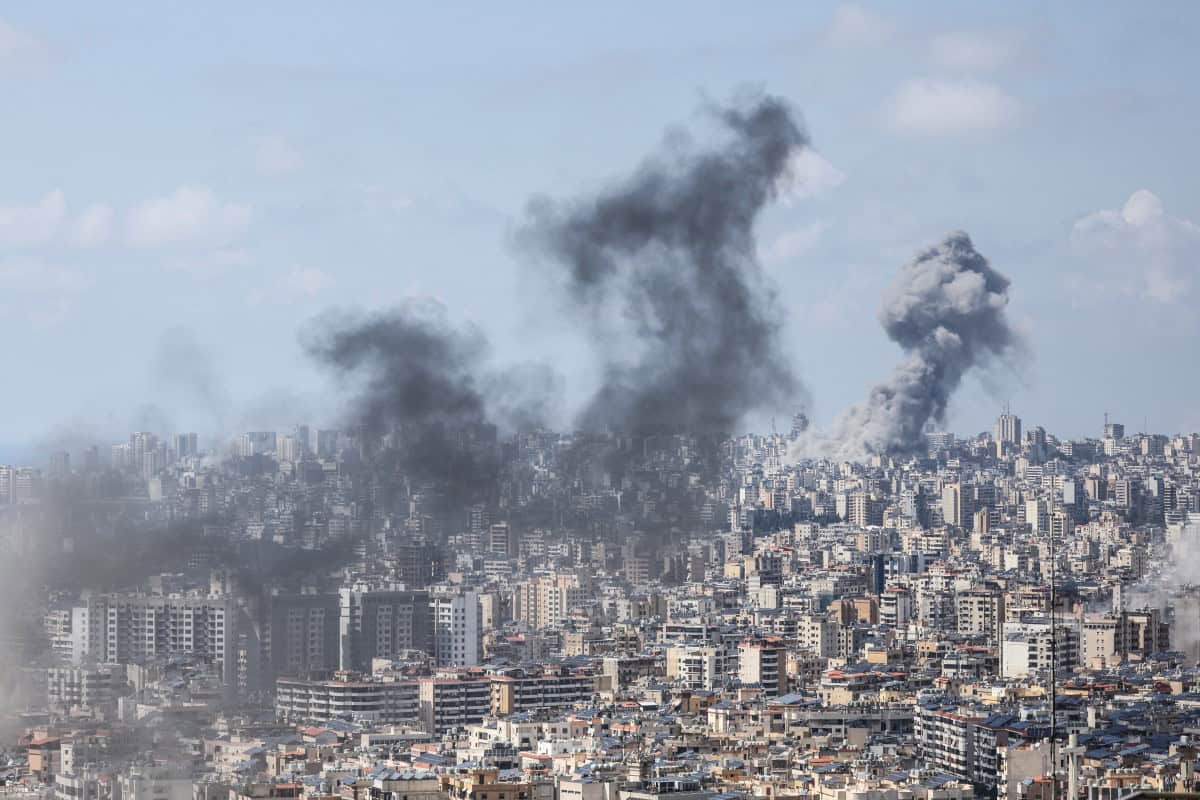
“When you’re up to your ass in alligators, it’s hard to remember your original goal was to drain the swamp” (not a very old folk saying).
Eighty years ago, we set out to drain the swamp, because we feared that otherwise we would all be pulled under.
Visit sportbet.reviews for more information.
At least 50 million people were dead after the greatest war in history, about half the cities in the northern hemisphere had been smashed flat and the first nuclear weapons had just been dropped on Japanese cities.
People were in shock. They hadn’t known how destructive war could be, and they realised the next big war would be incomparably worse: nuclear war.
So, they decided that in the future, the goal must be not to win wars but to end war.
Don’t think they were naive. They were having this conversation standing hip-deep in the wreckage of the last war. Many of them had fought in it, and almost all of them had lost people close to them. So, between 1945 and 1948, they wrote new rules that made war illegal.
Early in my career as a journalist, I interviewed quite a lot of these people, and what struck me was the brutal realism most of them brought to the project.
No airy-fairy stuff about “brotherhood” and “peace”; just hard-nosed calculations about how to contain, or thwart, the large number of countries that have designs on their neighbours.
Territory is what the majority of wars have been about, not just in historical times, but also in prehistoric times and, even, in the pre-human past. (See Netflix’s Chimp Empire for a brilliant documentary mini-series about a war between chimpanzee groups for territory.)
It’s still mostly about land today. The Middle East wars of the past 75 years are all ultimately about the division of Palestine between Jews and Arabs in 1948.
Vladimir Putin’s invasion of Ukraine is entirely about bringing at least the Slavic parts of the old Soviet Union back under Moscow’s control. India-Pakistan, North Korea-South Korea… There’s an endless supply.
The solution chosen by these veterans of the worst war in history was simple: from now on, it will be against the law to change a border by force.
Attacking another country will be a crime. Yes, this is very unfair to countries that have lost territory in the past and want it back, but that’s the only way we can break the cycle.
Border changes by negotiation and compromise are permissible, but conquest is over. Past grievances have to stay in the past, or else we will end up fighting nuclear wars. We may not be able to stop every conquest, especially if the violator is a great power.
It was not a perfect solution. It didn’t even address the problem of guerilla wars and civil wars inside a single country, partly because that was too hard – there is usually no consensus on who is in the right – but also because they were unlikely to cause a nuclear world war. But it did the job.
No nuclear weapon has been used in war for eighty years. No great power has fought any other great power directly since 1953 (proxies are sometimes employed.)
We have been far more successful that anyone dared to hope in 1945. Even the number of deaths in war have fallen in every decade since then – until now.
The problem, I suspect, is generational turnover.
The generation that wrote the new rules is long gone but, as recently as the ’90s, I would regularly get lectured about the importance of the “international rule of law” (code for the above rules) by diplomats at both the state department in Washington and the foreign ministry in Moscow.
The general public was always hazy about the rules that gave us this long peace, but the people who ran the system continued to understand what the basic deal was for several more decades. However, I don’t hear these arguments any more. The line has gone dead.
We set out to drain the swamp and we made some progress but, now, the alligators are out in force and we have lost the plot.