Eskom’s future still fueled by coal as Exxaro deal extends supply
· Citizen
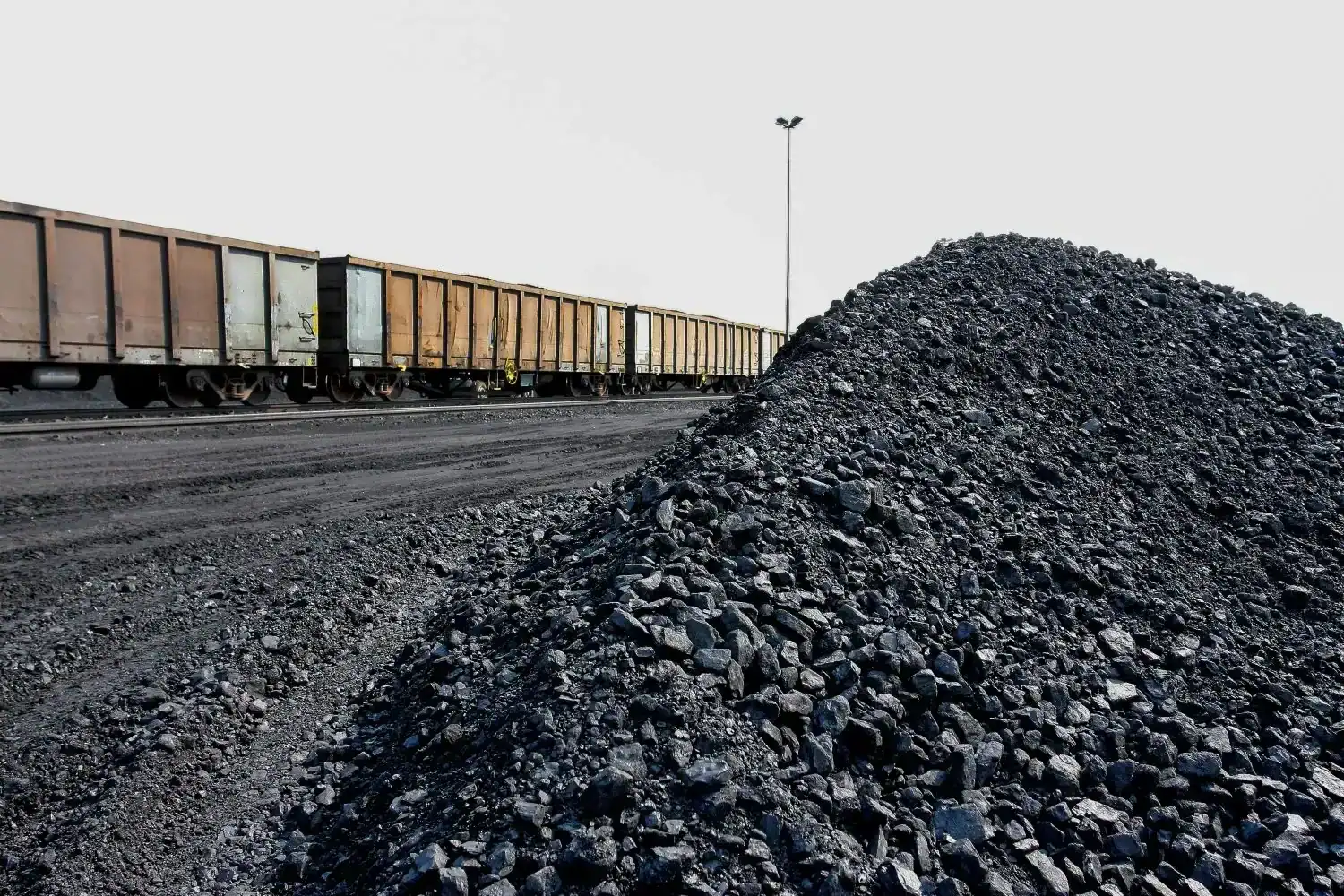
Eskom has entrenched its dependency on coal, signing a new long-term supply deal with Exxaro Resources that will keep Matla Power Station burning coal until at least 2043.
Visit somethingsdifferent.biz for more information.
The agreement with Exxaro underscores how coal remains the backbone of South Africa’s baseload generation, cementing fossil fuel’s role in the country’s energy mix even as the country pledges a rapid transition to renewables.
‘Critical mineral’
In February 2026, Minerals Resources and Energy Minister Gwede Mantashe told the Southern African Coal Conference at the Westin Hotel in Cape Town that coal is a “critical” mineral for South Africa because of its contribution to the economy.
“In South Africa, coal contributes approximately 80% of electricity generation, underpins extensive industrial activity, and sustains around 90 000 mineworkers and their families.
“At the same time, the sector faces growing pressure from environmental groupings and global decarbonisation trends, with some predicting the imminent demise of coal,” Mantashe said.
ALSO READ: Eskom loses SCA court battle over secret coal contracts
Dependency on coal
South Africa is heavily dependent on coal for energy, with Eskom’s coal-fired power stations generating more than 80% of the country’s electricity.
This deep-seated reliance, largely driving Eskom’s generation and the economy, causes significant environmental damage and health problems.
Reduction
In March 2022, then Deputy minister for Mineral Resources and Energy Nobuhle Nkabane told the Northern Cape Mining and Minerals Investment Conference inKimberley that South Africa aimed to reduce the country’s dependence on coal.
Currently, our reliance on coal as a primary source of energy is at 75%. We have committed to progressively contribute our fair share as part of our approved Nationally Determined Contributions, and we aim to reduce coal consumption in the power generation sector to below 60% by the year 2030.”
In his State of the Nation address in February, President Cyril Ramaphosa indicated that South Africa “will continue to pursue an energy mix that includes renewables, battery and pump storage, gas as a transition enabler, nuclear at a pace at which the country can afford, as well as explore carbon capture and use technologies.”
Partnership
In a statement, Eskom said securing the ongoing supply of coal from Exxaro’s Matla Mine to the Matla Power Station and reinforcing a strategic partnership supported South Africa’s electricity generation for more than four decades.
“Matla Mine first entered into a coal supply agreement (CSA) with Eskom on 1 July 1983, with the agreement originally set for a period of 40 years. This new agreement between the two entities ensures continued coal supply for Eskom’s Matla Power Station, supporting the stability of South Africa’s energy system while maintaining operational continuity at the mine.
“The newly concluded agreement commenced on 1 April 2026 and is valid until 30 November 2043, with the term subject to extension or reduction by mutual agreement between the parties,” Eskom said.
Energy security
Eskom Group CEO Dan Marokane said the signing of the long-term Coal Supply Agreement with Exxaro represents a “significant step forward in strengthening South Africa’s energy security.”
“This agreement ensures predictability and stability in the supply of coal to the Matla Power Station, an essential component of our generation fleet, and reinforces a partnership that has supported the nation’s power system for more than four decades.
“Crucially, this new contract structure is a key deliverable of Eskom’s Cost Optimisation and Revenue Enhancement (CORE) programme, which aims to drive efficiencies in primary energy procurement. Through improved operational performance and streamlined supply chain logistics, Eskom expects to realise meaningful long-term cost savings that directly support its financial recovery and operational sustainability,” Marokane said.
Eskom said that as it advances its recovery and sustainability efforts, the agreement underscores coal’s continued role in providing the baseload capacity required to stabilise the electricity grid.
NOW READ: How SA’s addiction to coal is sacrificing the planet to try keep the lights on